Winter Plates in Warm Clime
WINTER PLATES IN WARM CLIMES: Intuitive Cooking for Nourishment
Even when the calendar says January, the thermometer in Florida often disagrees. We have spent a large part of this winter down south, and while we aren't battling blizzards, there is still a distinct shift in the air. The humidity drops, the evenings require a sweater, and my body naturally starts craving a different kind of fuel. I want warmth. I want depth. I want winter food, adapted for the sunshine state.
My approach to cooking is rarely about rigid adherence to a recipe. While I sometimes find inspiration from a reel on TikTok or a text from my mother, I usually find recipes too confining for day-to-day life. For me, the kitchen is a space for intuition—knowing which flavors play well together, tasting as I go, and adjusting the heat until it feels right.
Lately, that intuition has been guided by a singular focus: nourishing our bodies for fertility. My cooking isn't elaborate, but it is intentional. It is focused on whole foods, nutrient density, and vibrant colors.
Reality on the Plate
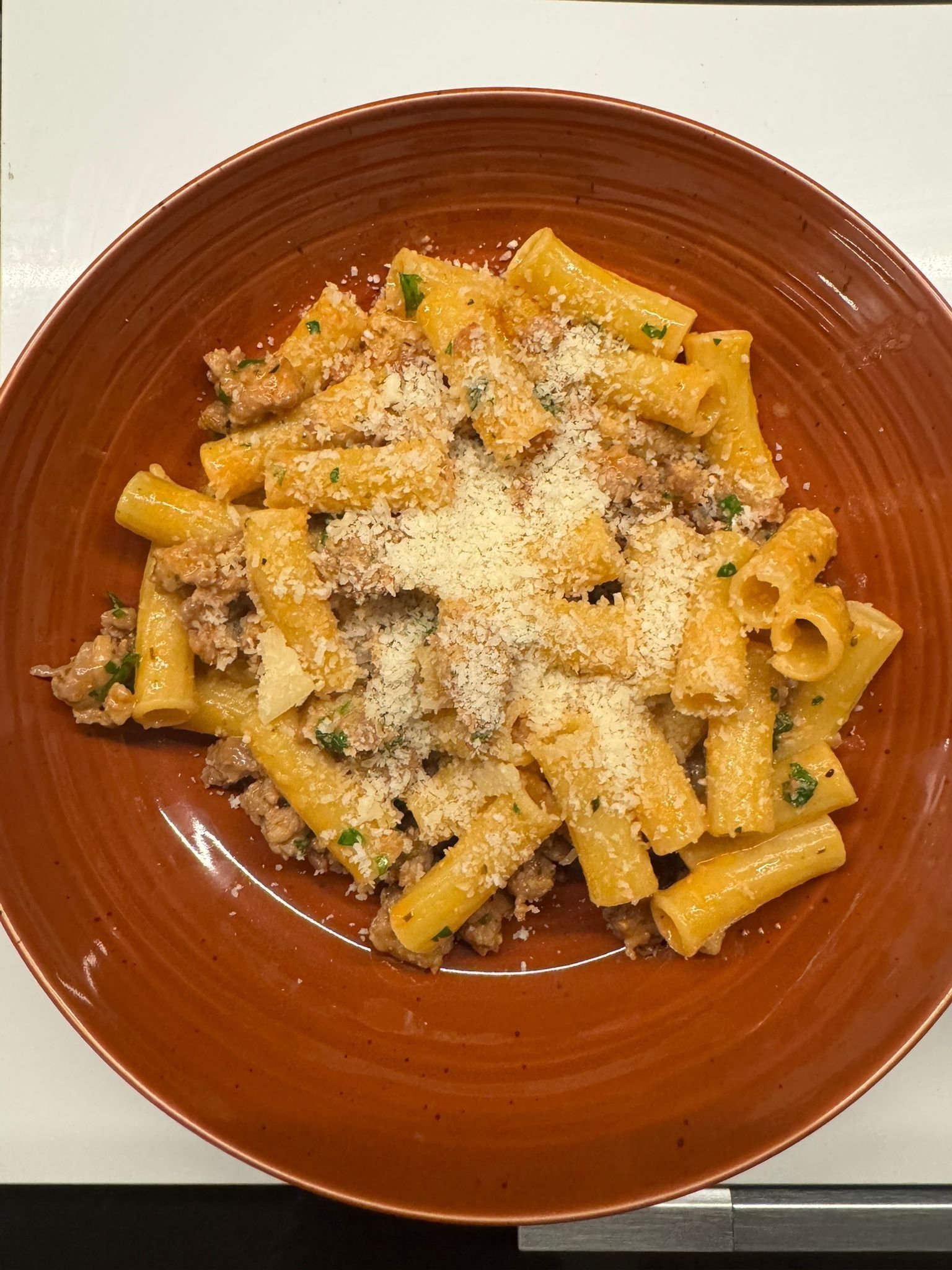
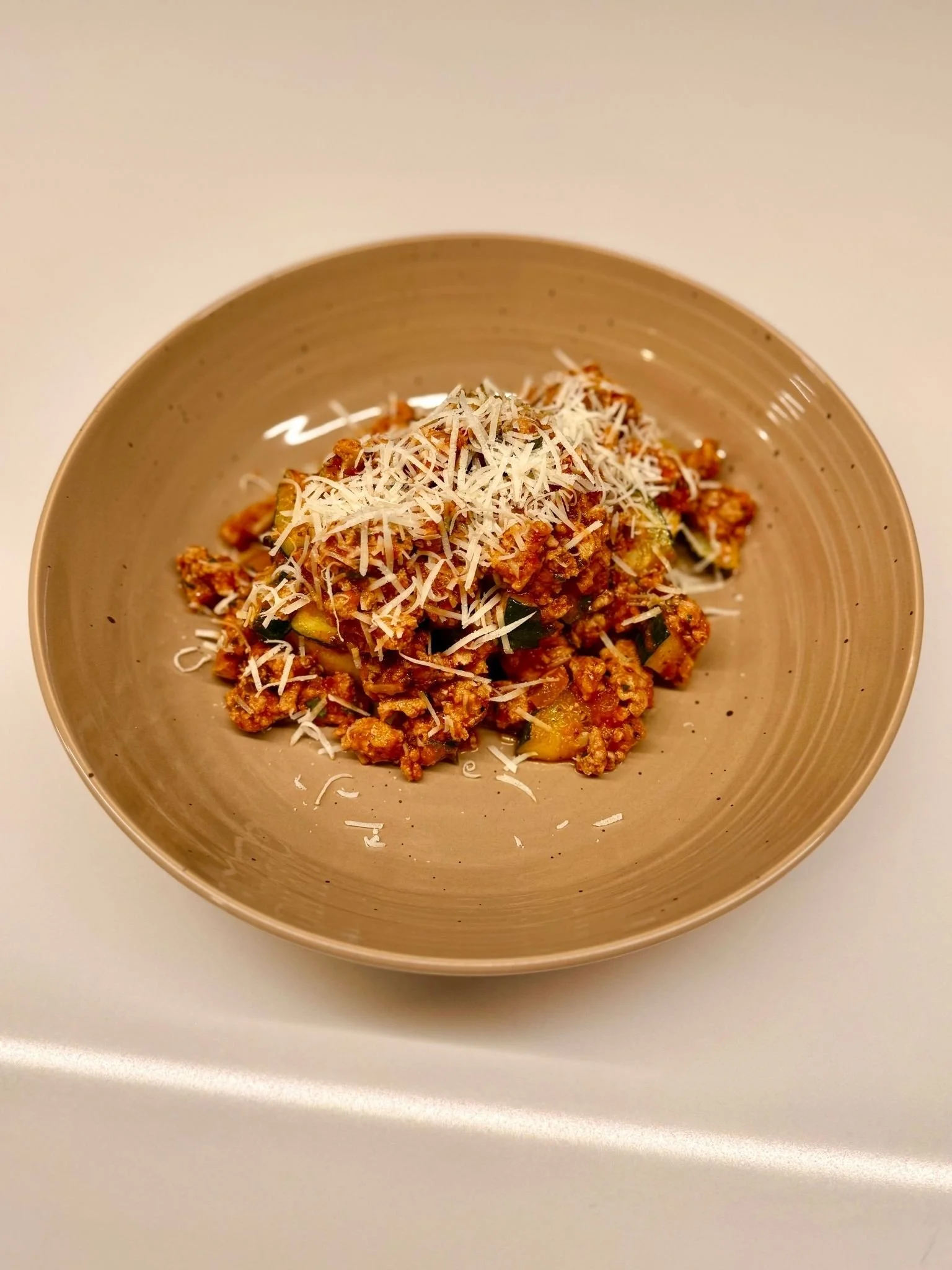
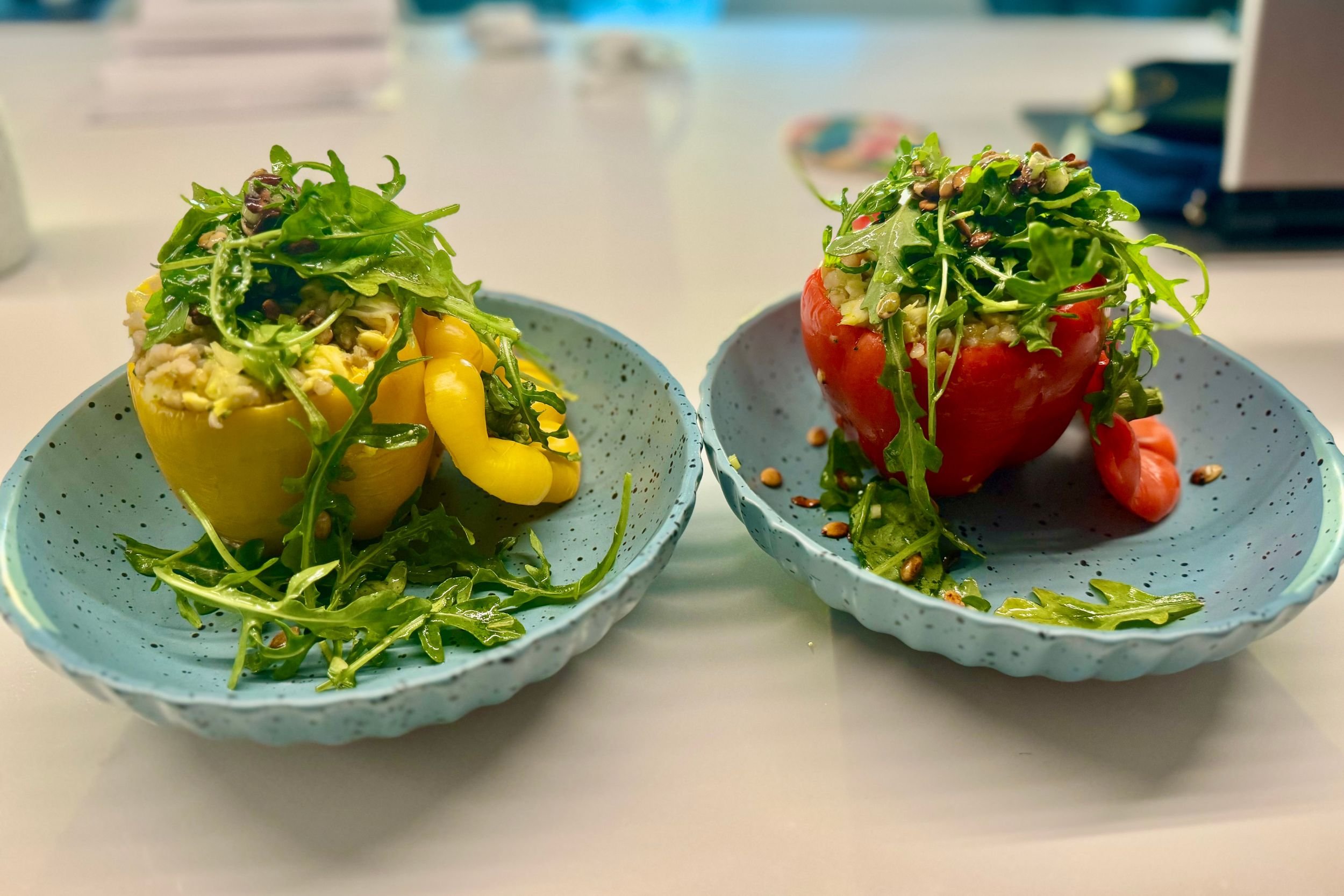
If you look at my plates, you’ll notice they aren't always the most beautifully presented. They may not look like much to the outside observer; often just a mix of components in a bowl, sometimes hard to identify individual ingredients. But they are always colorful.
You might also notice that my photos are sometimes less than perfect—or the meal is already half-eaten. To be honest, documenting my food was never a priority other than to send a quick text to my family (we are a tribe of cooks who are always swapping inspiration). I often forget to pick up my phone until we’ve already started eating.
And that is exactly how it should be. For me, the value is in the joy of the cooking process and the nourishment it provides, not the content it creates. Once the food hits the table, the meal is not about phones or cameras; it is a time to sit, disconnect, and enjoy each other’s company.
THE WINTER ROTATION
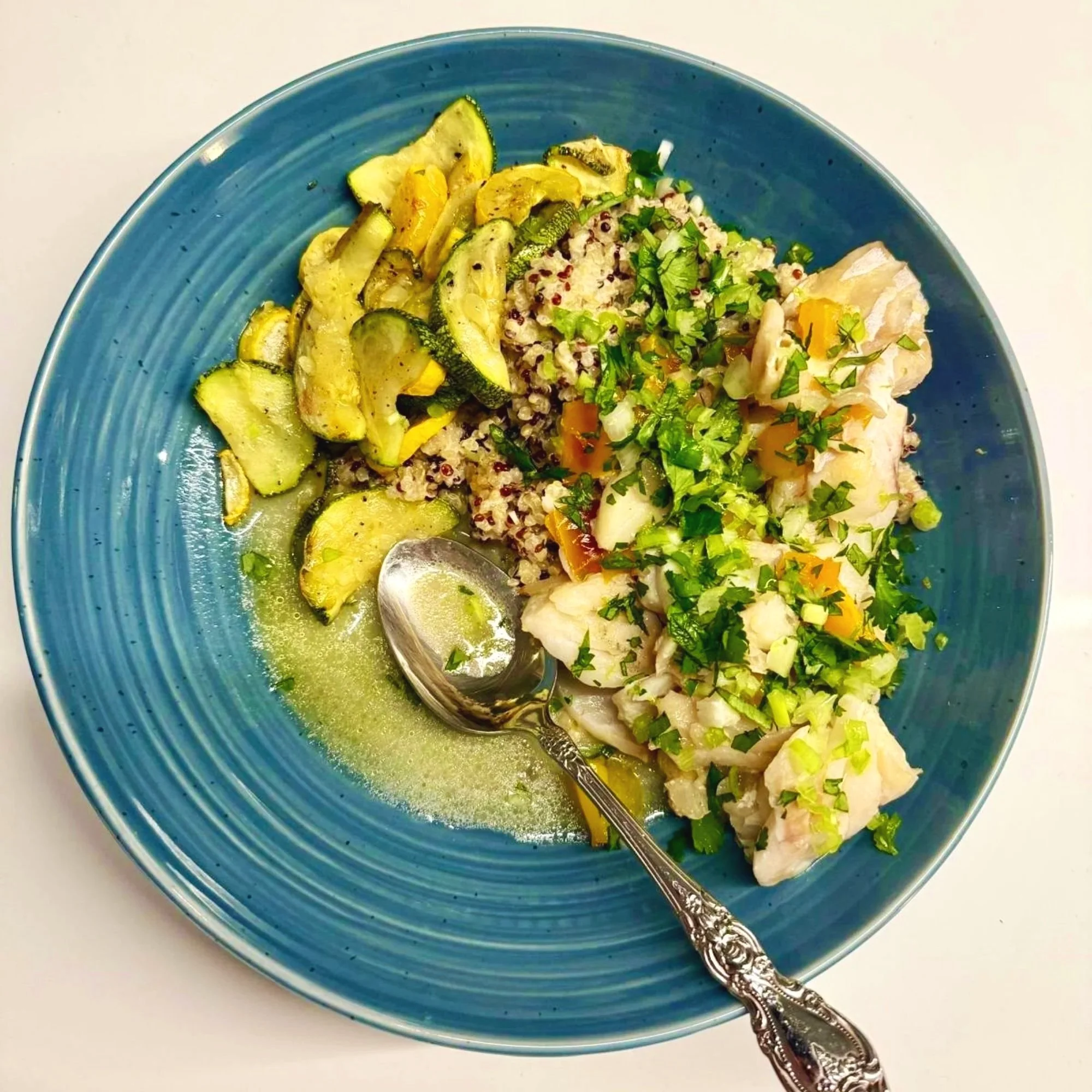
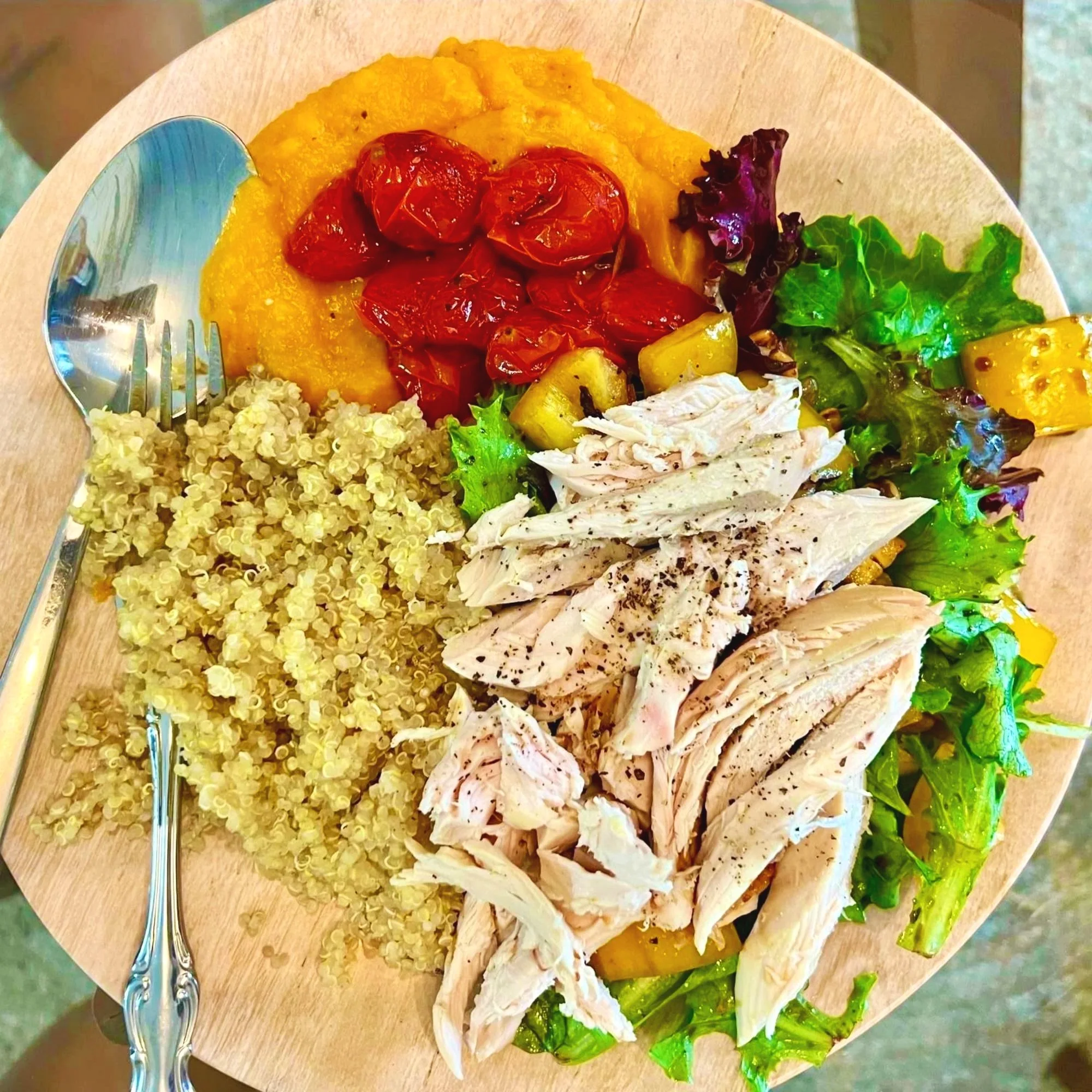
The Essentials: Chicken, Grains, and Greens Most nights start with a simple base. We rely heavily on complex carbohydrates like quinoa or brown rice to ground the meal. Chicken appears on the menu quite a bit—sometimes I take the time to sauté it with spices, but just as often I will buy a high-quality roast chicken and pull pieces off to add protein to a bowl. And regardless of what the "main" event is, there is almost always a salad. It is our year-round staple, an element of freshness that balances out even the warmest winter dish.
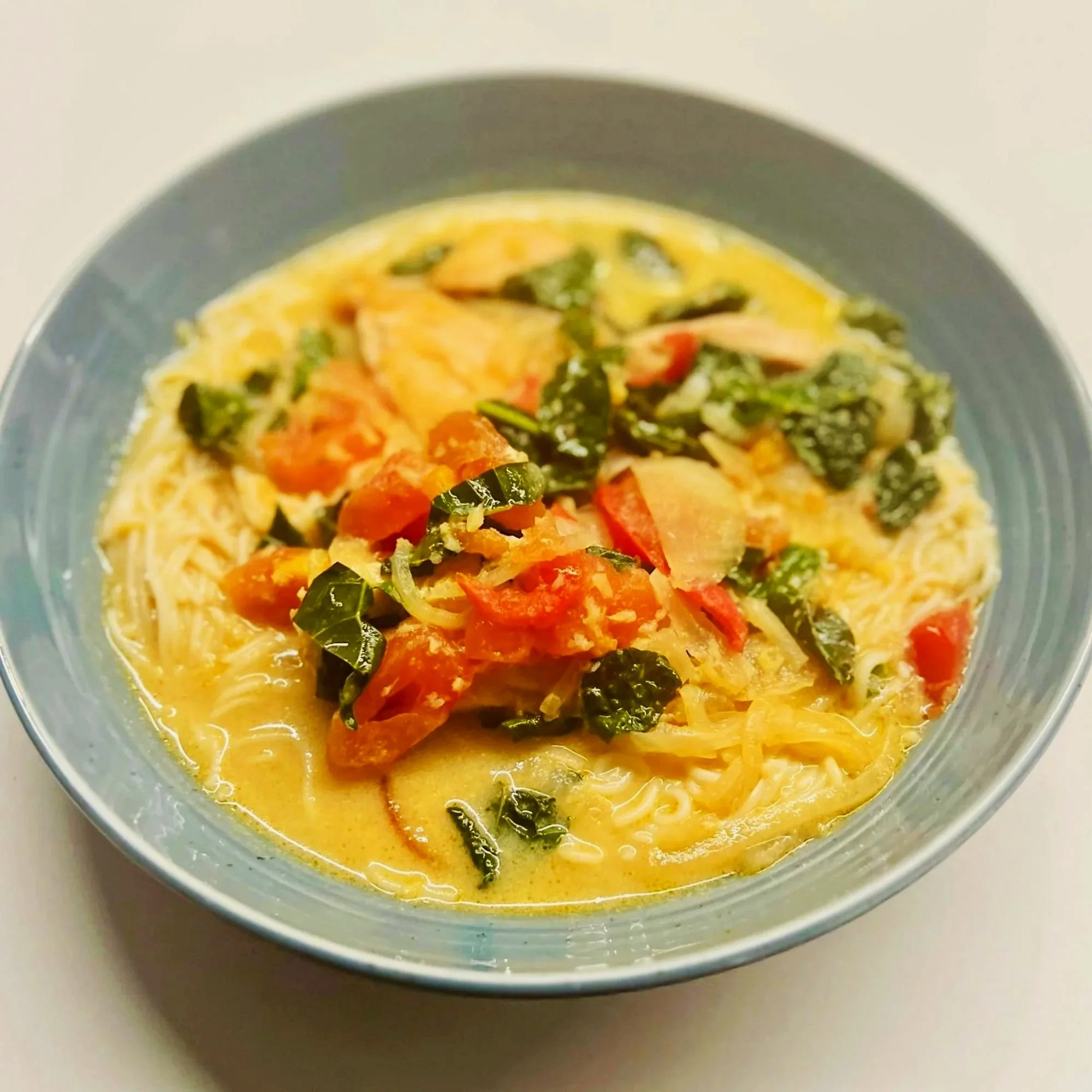
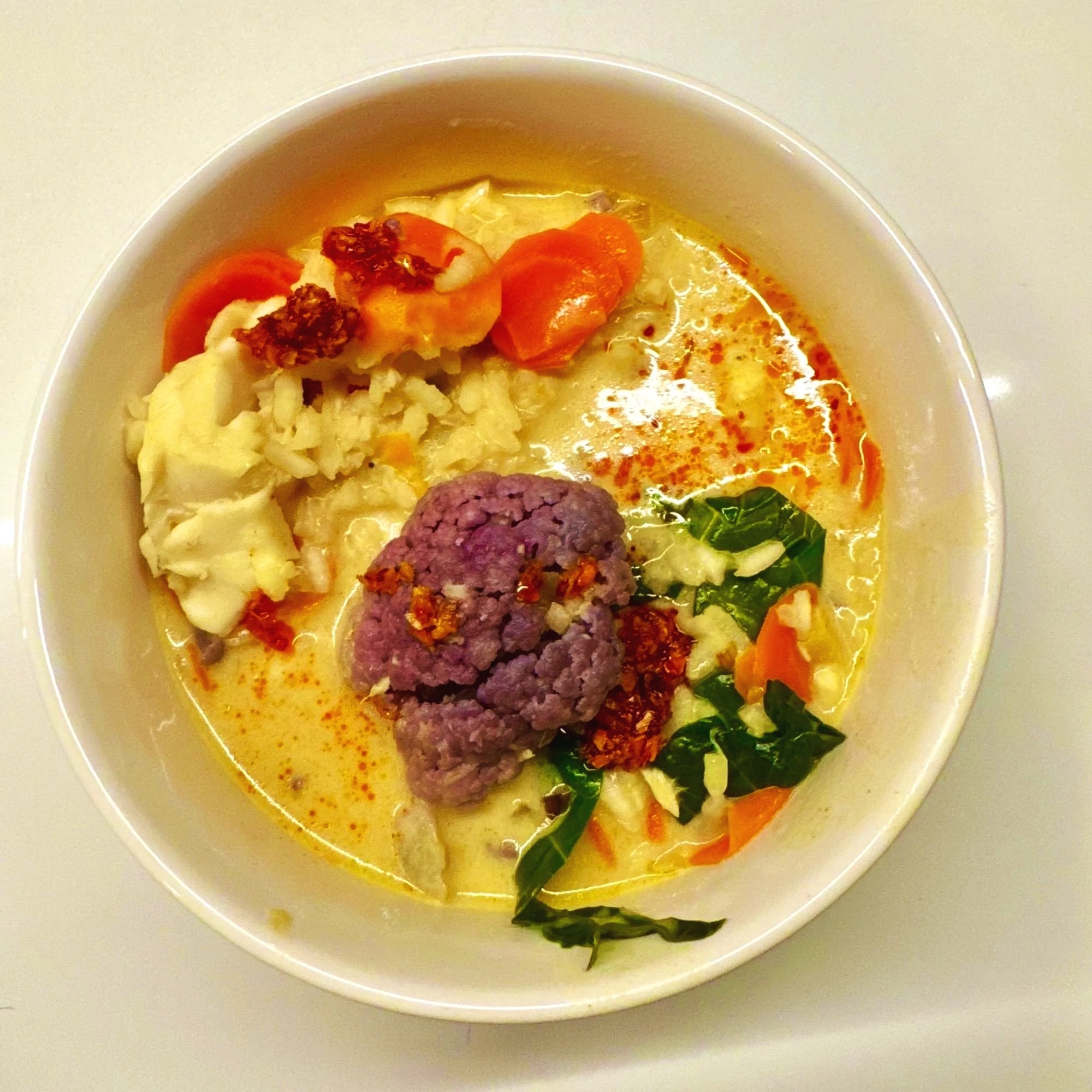
The Thai-Inspired Fish Curry This dish is the perfect bridge between a winter craving and a Florida reality. It is warm and comforting, but because it relies on coconut milk, lime, cilantro, and red curry paste, it feels bright rather than heavy. It’s purely intuitive cooking: sautéing aromatics, blooming the curry paste, adding the coconut milk and whatever vegetables need using (bell peppers, snap peas, bamboo shoots), and gently poaching a white fish at the very end. It’s finished with a squeeze of fresh lime juice that wakes the whole dish up.
The Roasted Rituals
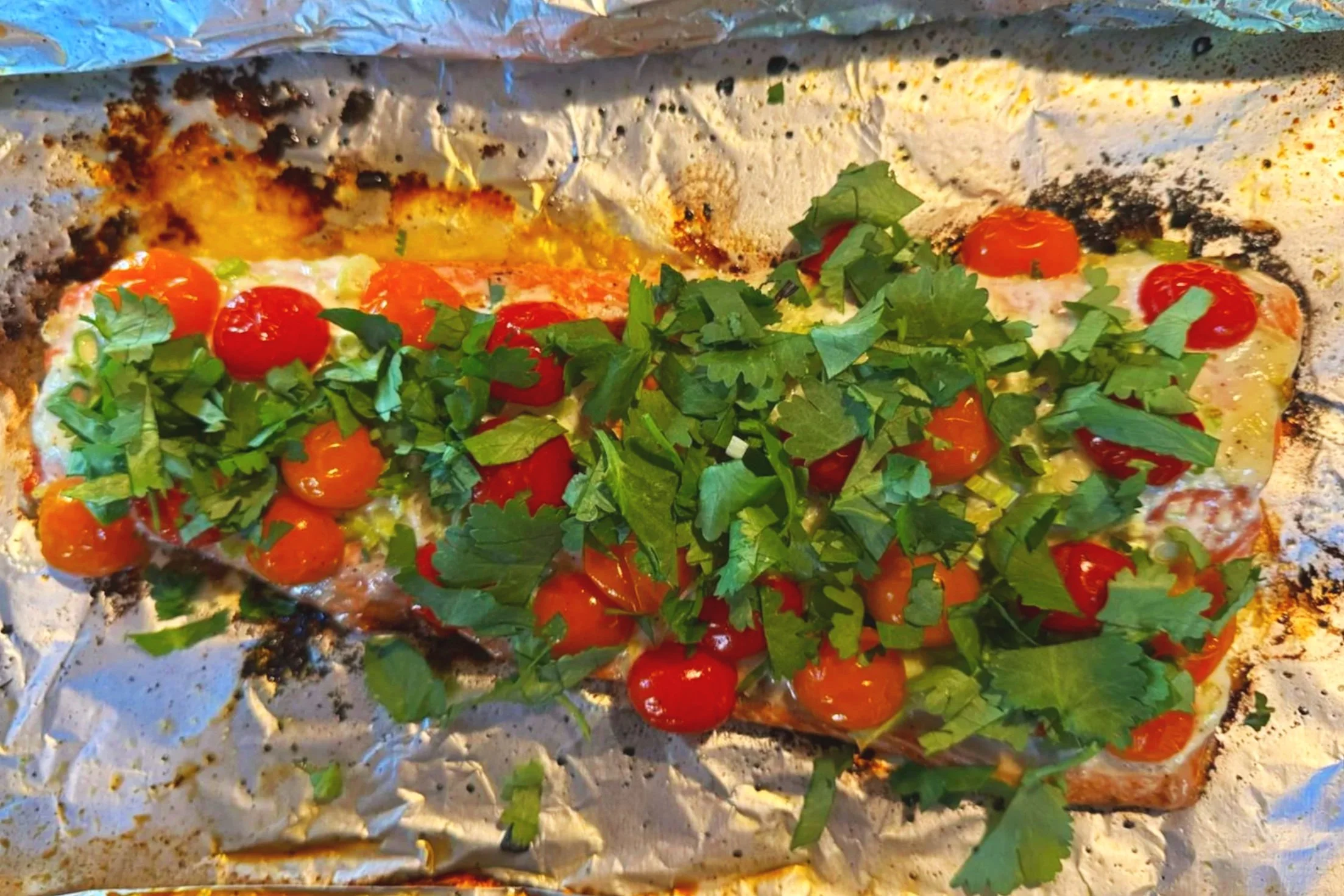
The Whole Roast Salmon: There is something incredibly grounding about roasting a whole piece of fish. It feels like an occasion, even on a Tuesday. I usually place a whole side of salmon on a sheet pan, dress it simply with olive oil, lemon slices, and whatever fresh herbs I have on hand, and let the oven do the work. It comes out tender and impressive, requiring almost no active effort.

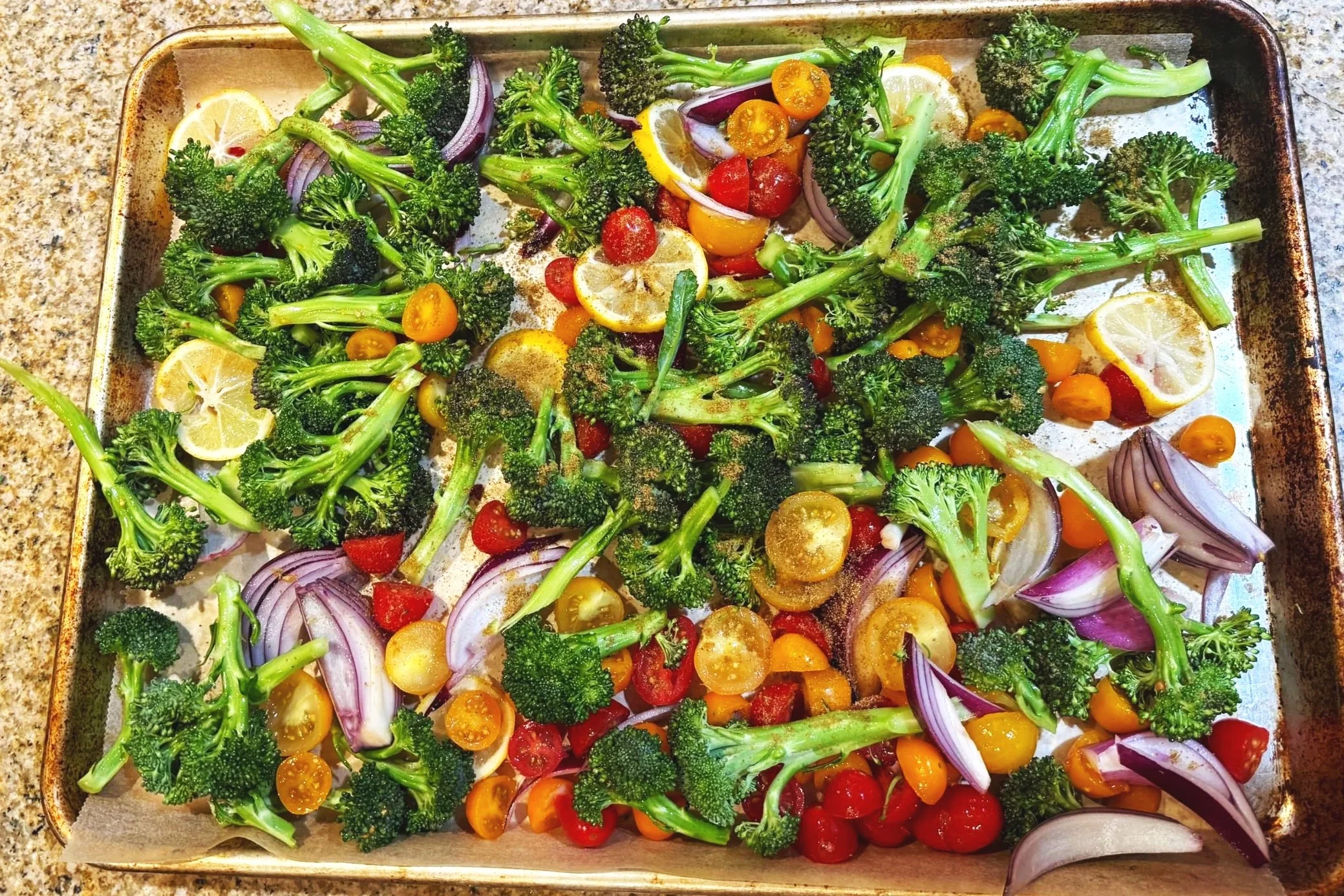
The Leftover Hack: The best part of the whole roast is the volume. We rely heavily on salmon and quinoa bowls for quick lunches or easy dinners the following day. I take the leftover salmon, flake it over a bowl of quinoa, and add a tray of roasted vegetables—usually broccoli, Brussels sprouts, or sweet potatoes that I tossed in the oven alongside the fish. It turns one night's effort into two or three meals of nutrient-dense fuel.
Stuffed Peppers: This is a staple for a reason. I hollow out bell peppers and stuff them with a mixture of ground turkey (browned with onions and garlic), cooked quinoa, and perhaps some spinach wilted into the mix. They roast until the peppers are tender and sweet. It’s a complete, balanced meal in a single vessel.
The Slow Simmer: Versatile Spaghetti Bolognese
Sometimes, you just need the classic. Even in Florida, a Sunday afternoon calls for a pot of bolognese simmering on the back burner for hours. But "classic" in my kitchen is a loose term.
This dish is a shape-shifter. While we love it over pasta, it is just as often ladled over a bowl of creamy polenta or a bed of crispy roasted potatoes. The sauce itself changes with my mood—sometimes it’s a chunky, traditional beef ragu; other times I use ground turkey for a lighter weeknight version. Occasionally, I’ll finish it with a splash of cream for an "a la vodka" style richness. Most often though, I keep it bright and tomato-forward.
And here is the honest truth: 9 times out of 10, I make the base from scratch, sneaking in way more finely diced carrots and celery than a traditional recipe calls for. But I am not perfect. There are nights when time is short, and I will absolutely reach for a jar of high-quality pasta sauce to get us across the finish line. It’s about the ritual of the nourishment, not the purity of the method.