There is a distinct emotional weight to an empty house. When you first walk through the rooms, the emptiness feels full of potential. But as the days stretch on, that emptiness can start to feel loud. You want it finished. You want the spaces to instantly reflect the life you are building.
But true curation takes time, and lately, my patience is being profoundly tested.
I’ve been chasing a moodier, more brooding palette as the vision for the house begins to take shape:
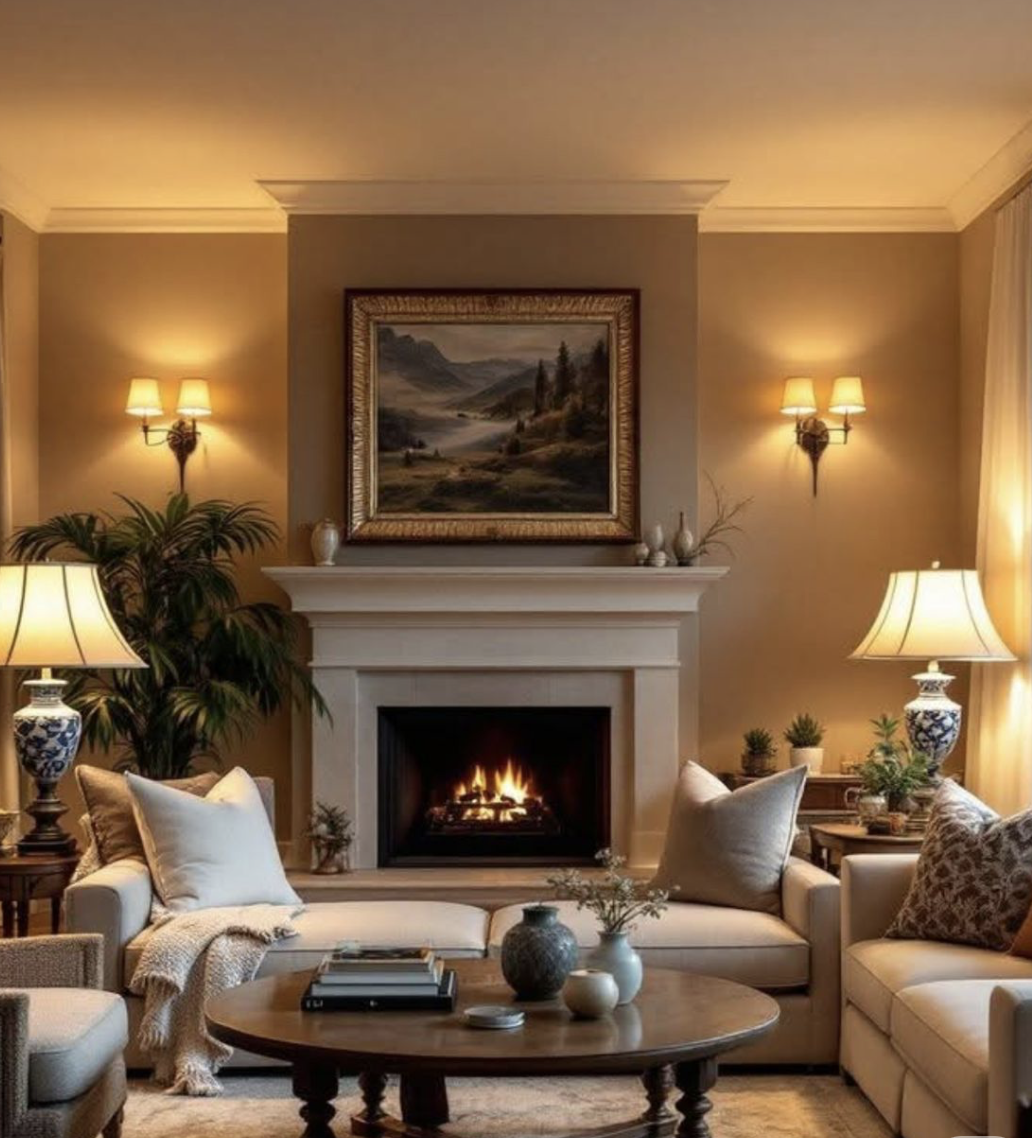
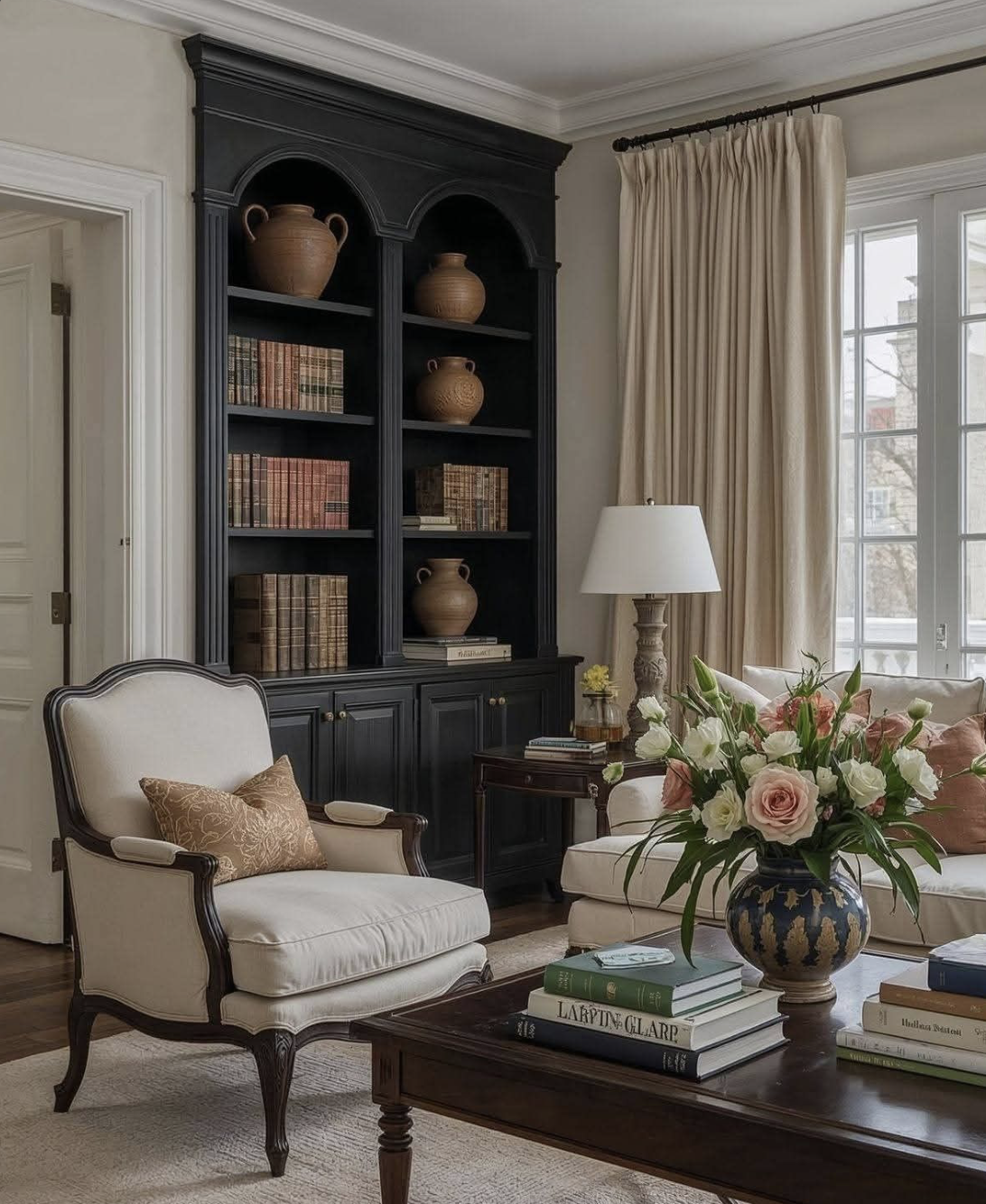
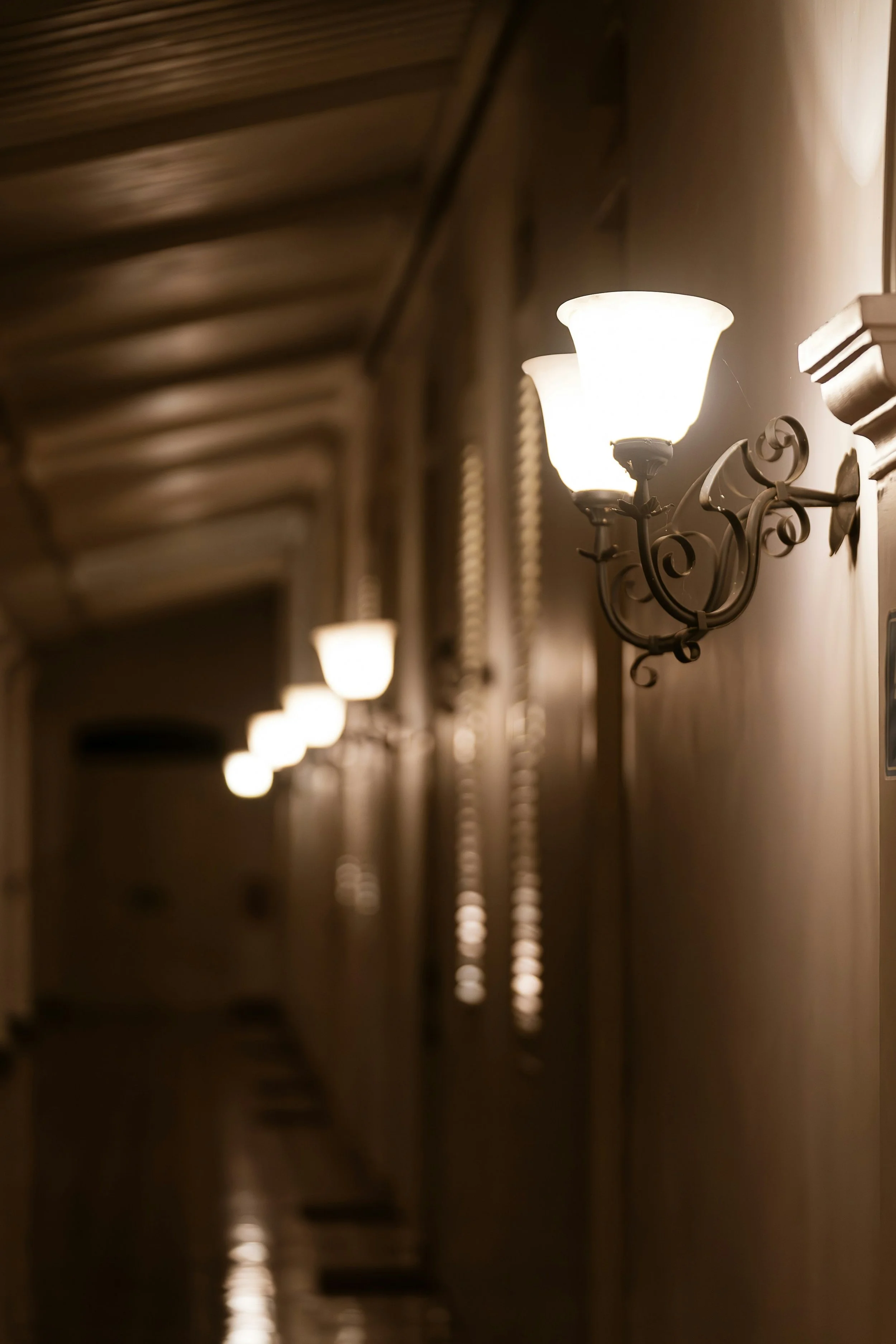
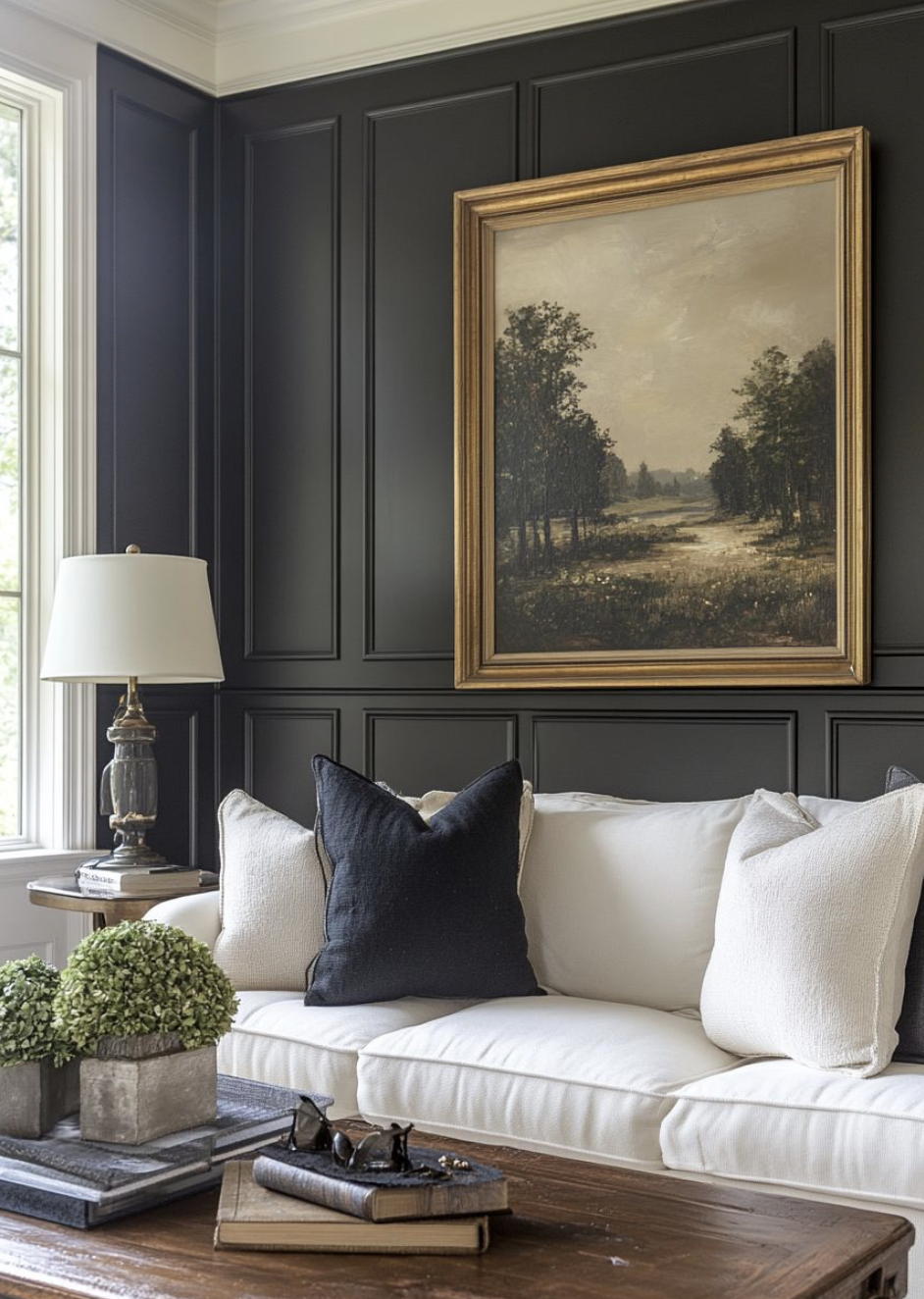
Because we are renting right now, approaching the design of this house comes with a highly specific set of parameters. The goal is to make the space feel deeply intentional, grounded, and permanent, while remaining fiercely budget-conscious and fundamentally temporary.
If you spend any time on social media, you are immediately bombarded with the illusion of the "renter-friendly hack." The internet wants us to believe that you can seamlessly transform any space with temporary built-ins, peel-and-stick wallpaper, and adhesive flooring. I will admit, I love the look of these transformations, but my analytical brain remains highly suspicious. How "renter-friendly" is adhesive when it's time to move out and the drywall comes off with it? Perhaps more importantly, will I have the patience to undo all my renter-friendly hacks before I move out?
Most certainly not.
Instead of masking the rental, my strategy is to curate "forever" pieces — furniture and decor that carry that rich, lived-in aesthetic and that can travel with us to whatever foundation we lay next — on a budget.
This requires a relentless, almost obsessive dedication to thrifting and Facebook Marketplace. Below are some of the pieces I’ve thrifted so far, including my DIY upgrade on the bedside table.
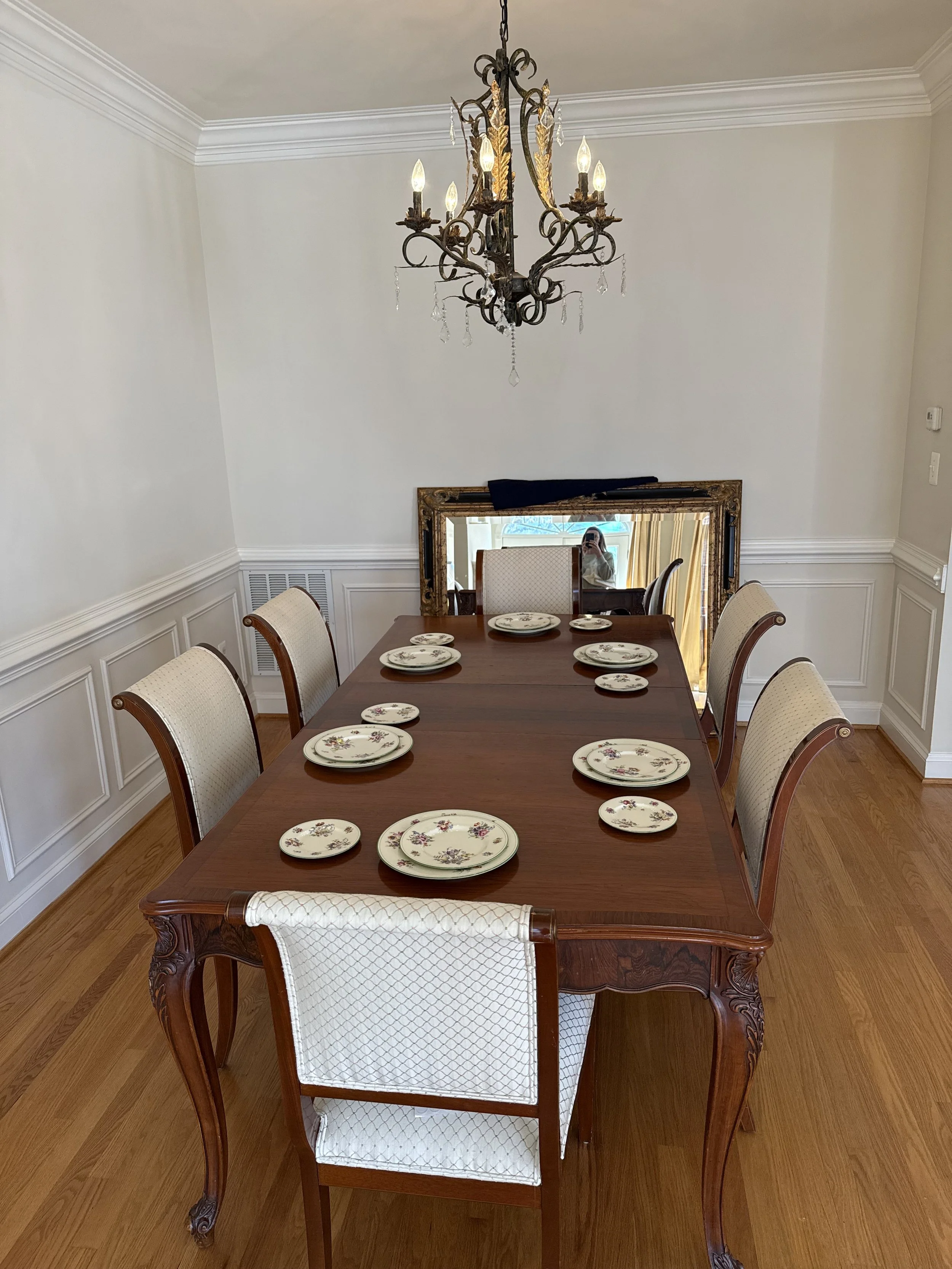
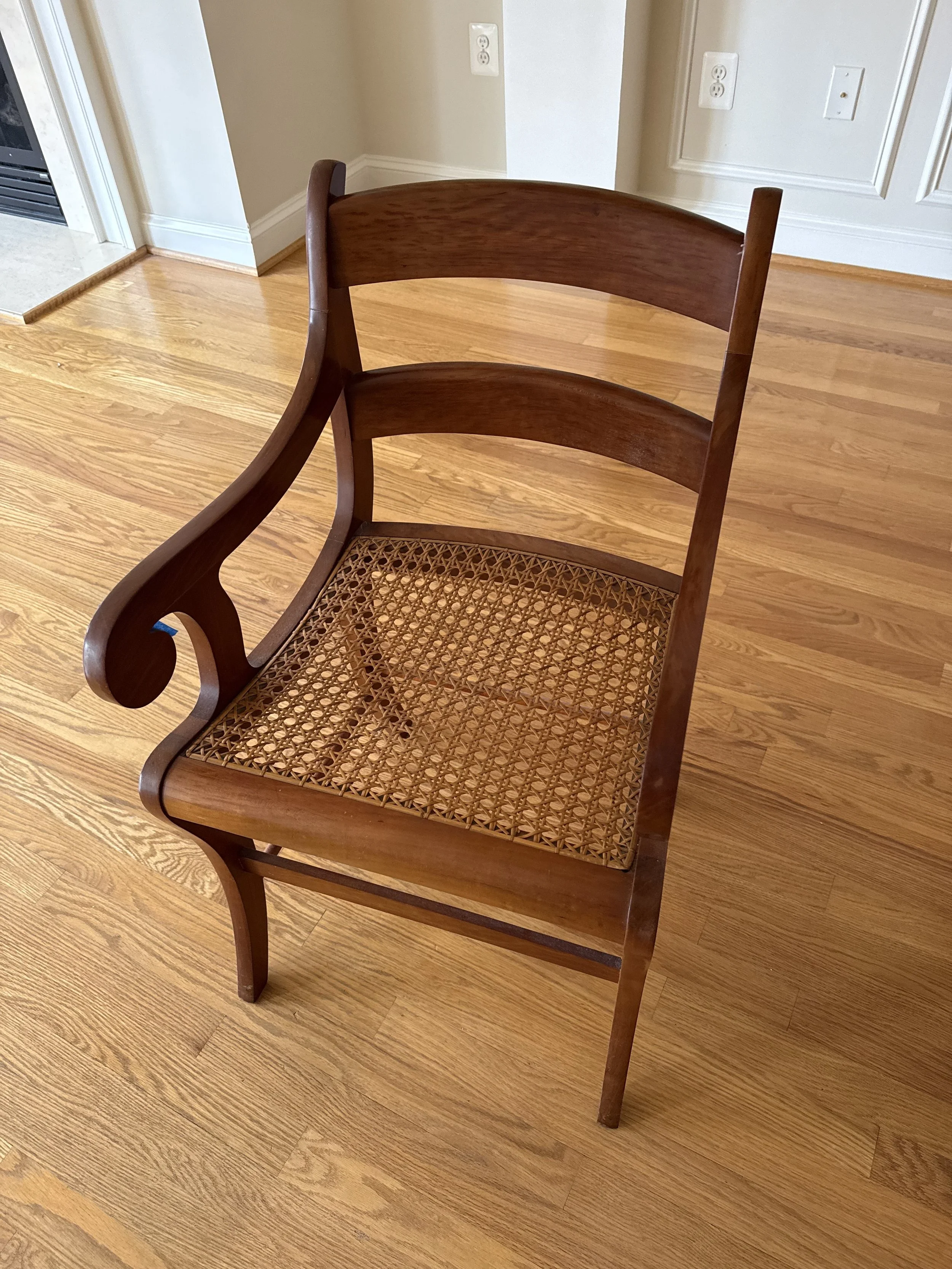
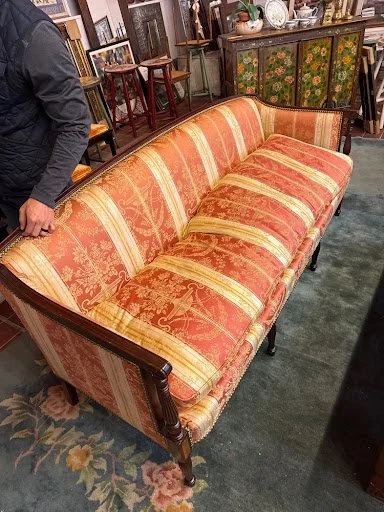
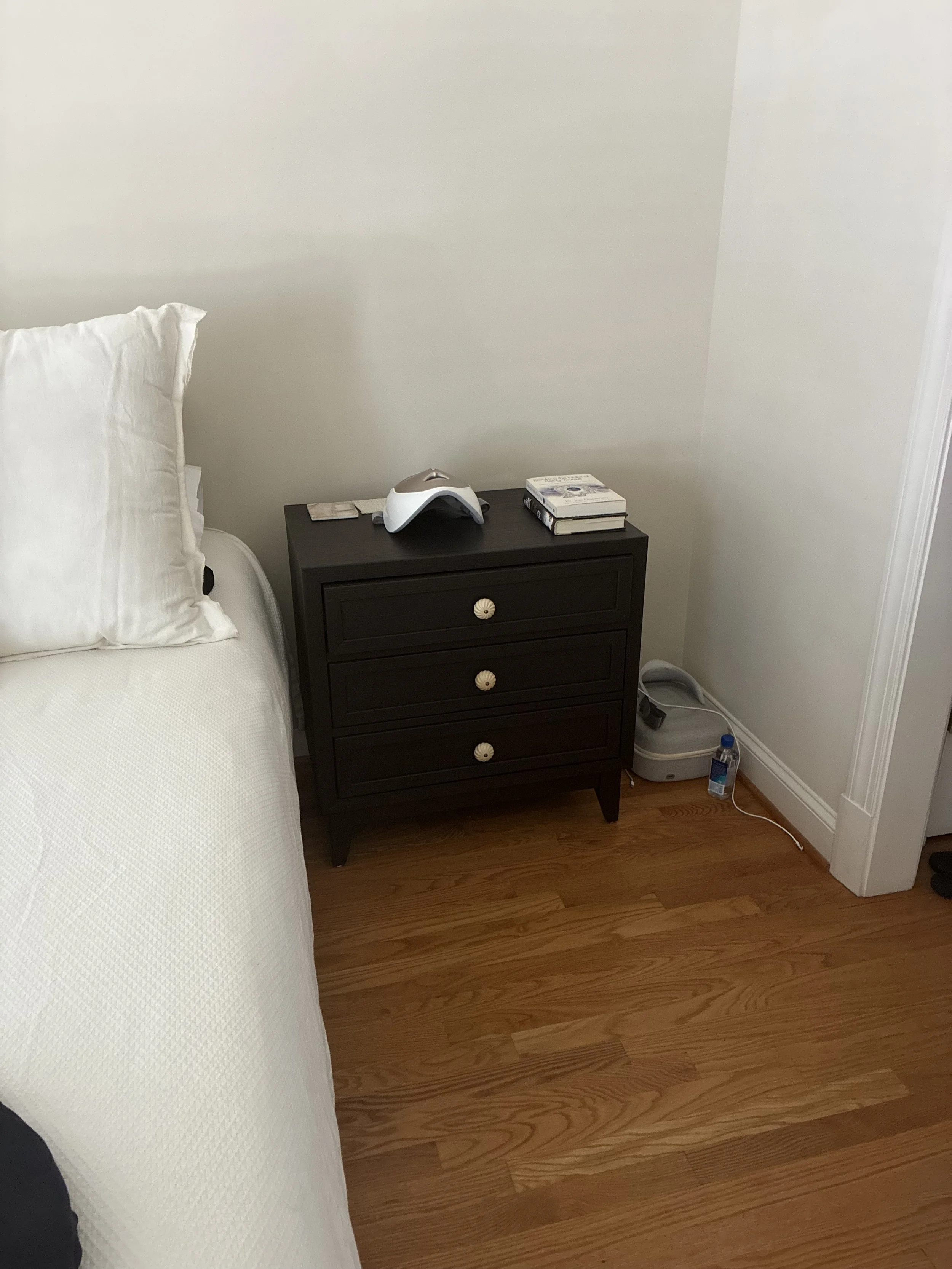
Finding high-quality, forever pieces that aren't exorbitantly expensive is an art form.
It requires the discipline to walk away from things that are just okay and the stamina to keep looking for the pieces that are spectacular. The hardest part of this process is the pacing. I will find something I absolutely love — a beautiful vintage side table or a heavy brass lamp — and I have to force myself to pause. If I buy it today, what happens when the perfect piece surfaces tomorrow? In some cases I’ve thrifted things that are placeholders — not perfect for the space but I know when I do find the perfect thing I’ll move the items to be used elsewhere.
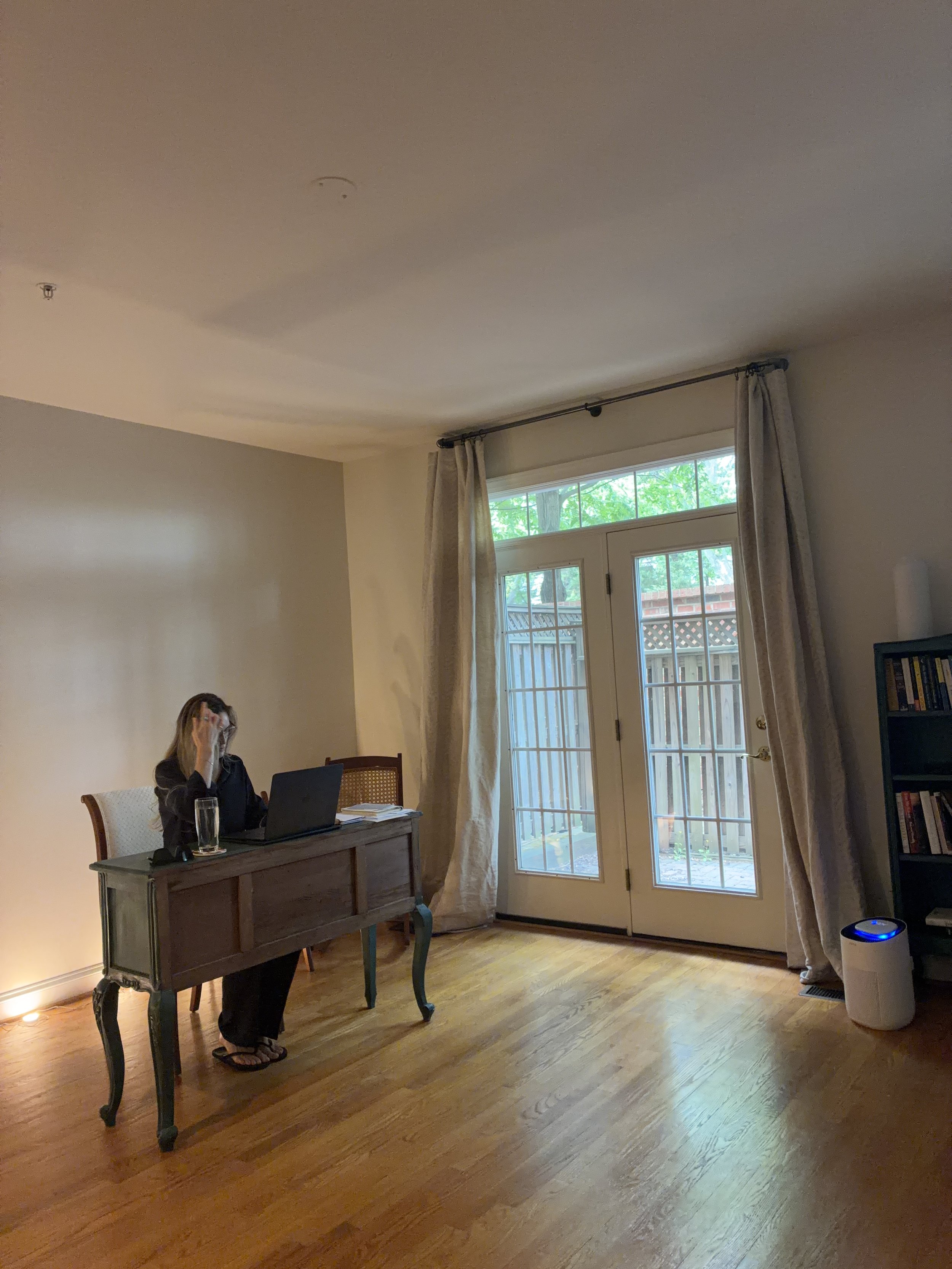
In some cases I’ve thrifted things that are placeholders — not perfect for the space but I know when I do find the perfect thing I’ll move the items to be used elsewhere.
Here, I'm using a piece that is inadequate as a desk, with one of our formal dining room chairs. I actually then got a free dining table that I’m currently using as a desk - also not the long-term plan.
This waiting game has yielded one very unexpected side effect: without realizing it, I have developed a quasi-obsession with seating. Somehow, in the pursuit of the perfect curated space, I have ended up with more chairs than any other item in this house.
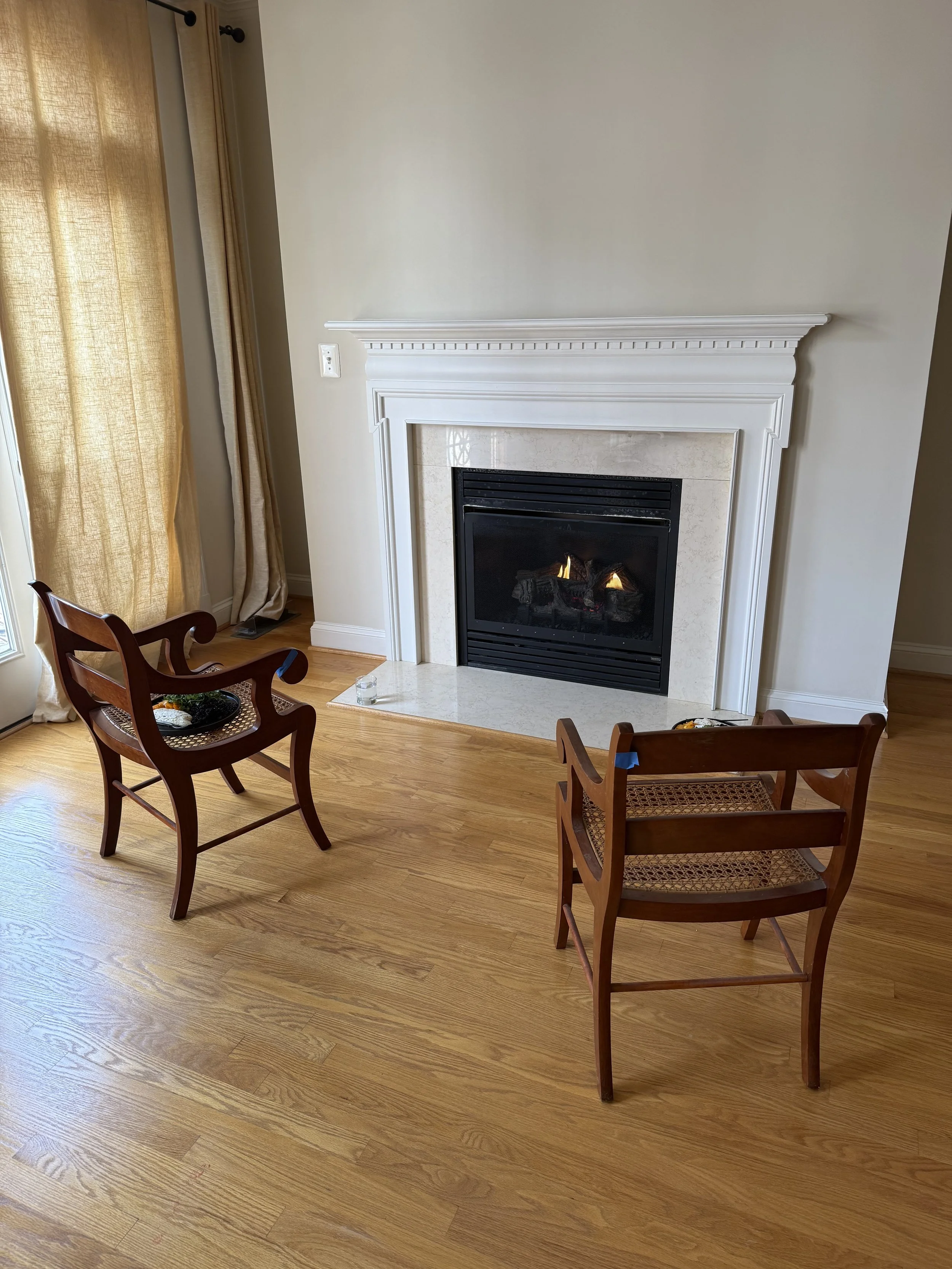
My next project:
Dreaming up the textures and tones that will eventually bring this quiet living room corner to life. (Those chairs are also placeholders)
Executing this vision also requires a fair amount of negotiation
Primarily with my spouse. Persuading a husband to trust the design process is proving to be much harder than anticipated, for two very distinct reasons.
First, he is playfully (but firmly) much stricter about the budget than I am when I get starry-eyed over an antique. Second, he operates purely in the present visual reality. While I can look at an empty corner and perfectly visualize the sweeping, layered future of the room, he cannot. So, to him, it just looks like his wife is slowly accumulating a chaotic collection of random vintage chairs and brooding lighting fixtures that don't currently have a cohesive home.
But the vision is there. We are mapping out the permanent layout — auditing the space, the lighting, and finding the perfect textures to replace the temporary placeholders.
Drenched in natural light and focusing entirely on the peace we're building on the inside.
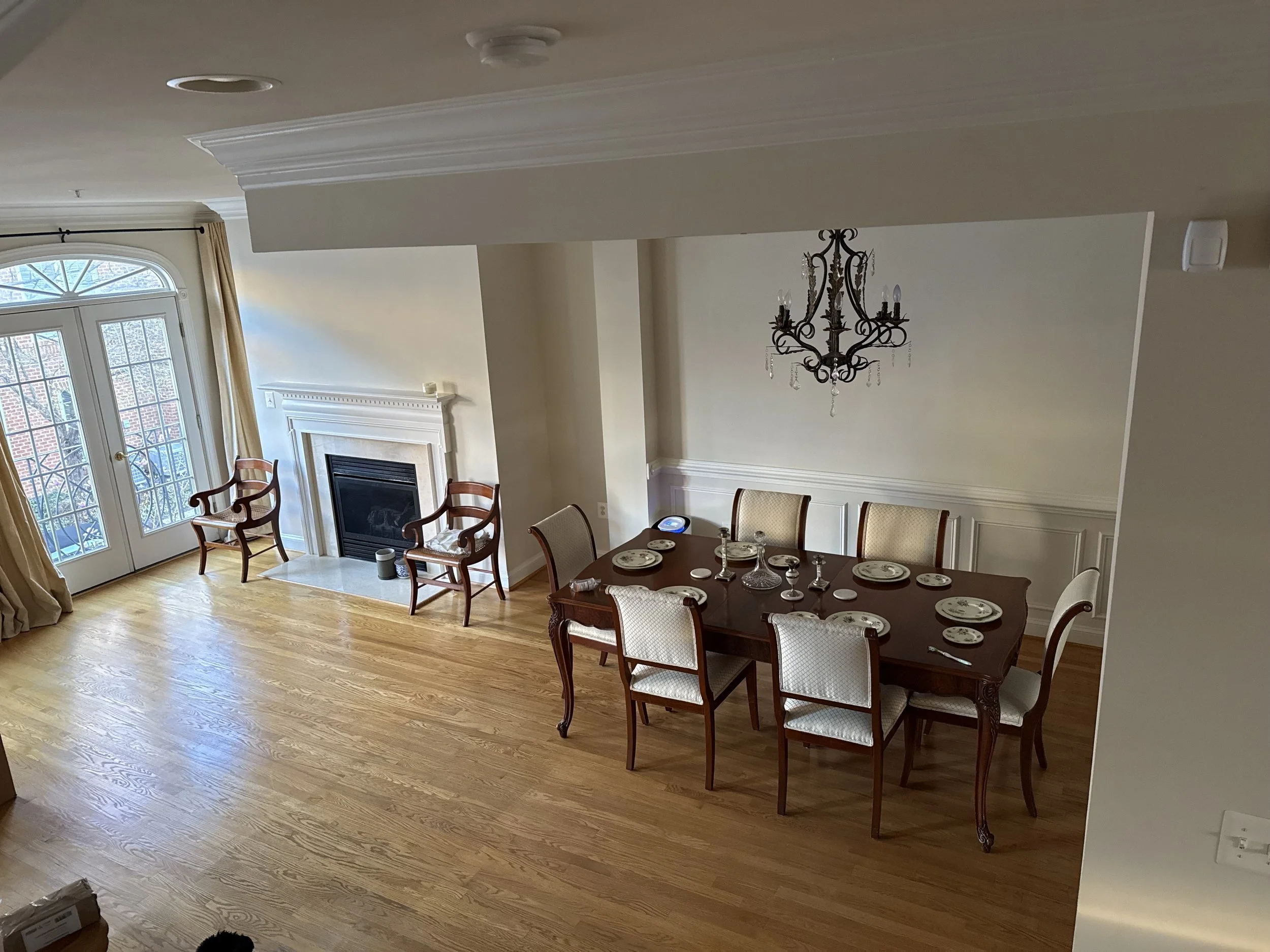
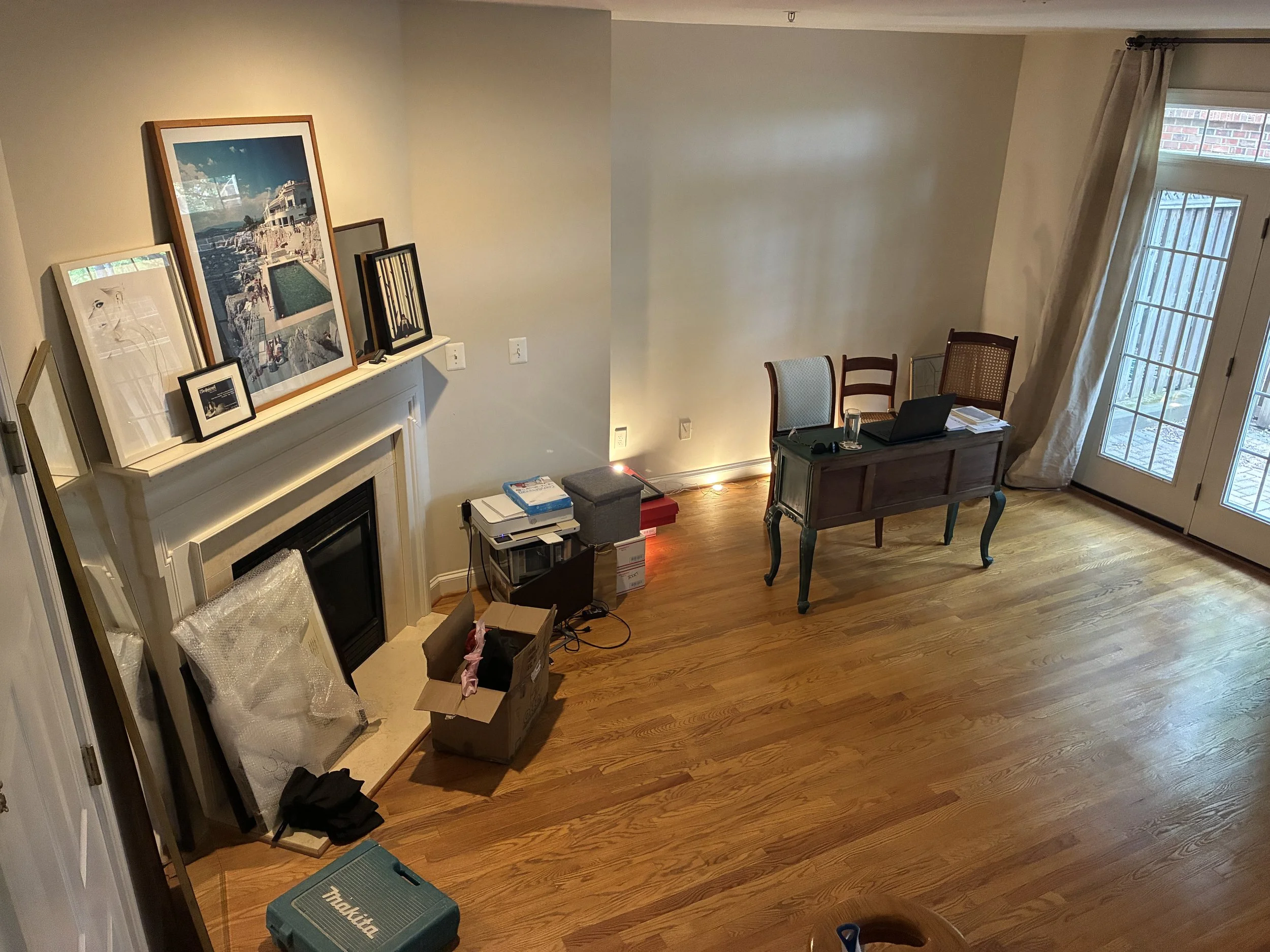
It is a slow, sometimes frustrating process. But when the morning light hits the Juliet balcony, it serves as a quiet reminder of what we are actually doing. We aren't just filling rooms; we are letting the natural light dictate the mood, taking our time, and cultivating a quiet serenity entirely within these walls.