The Liminal Space:
On Unpacking Boxes and Rebuilding a Career
There is a specific kind of chaos that comes with living in the "in-between."
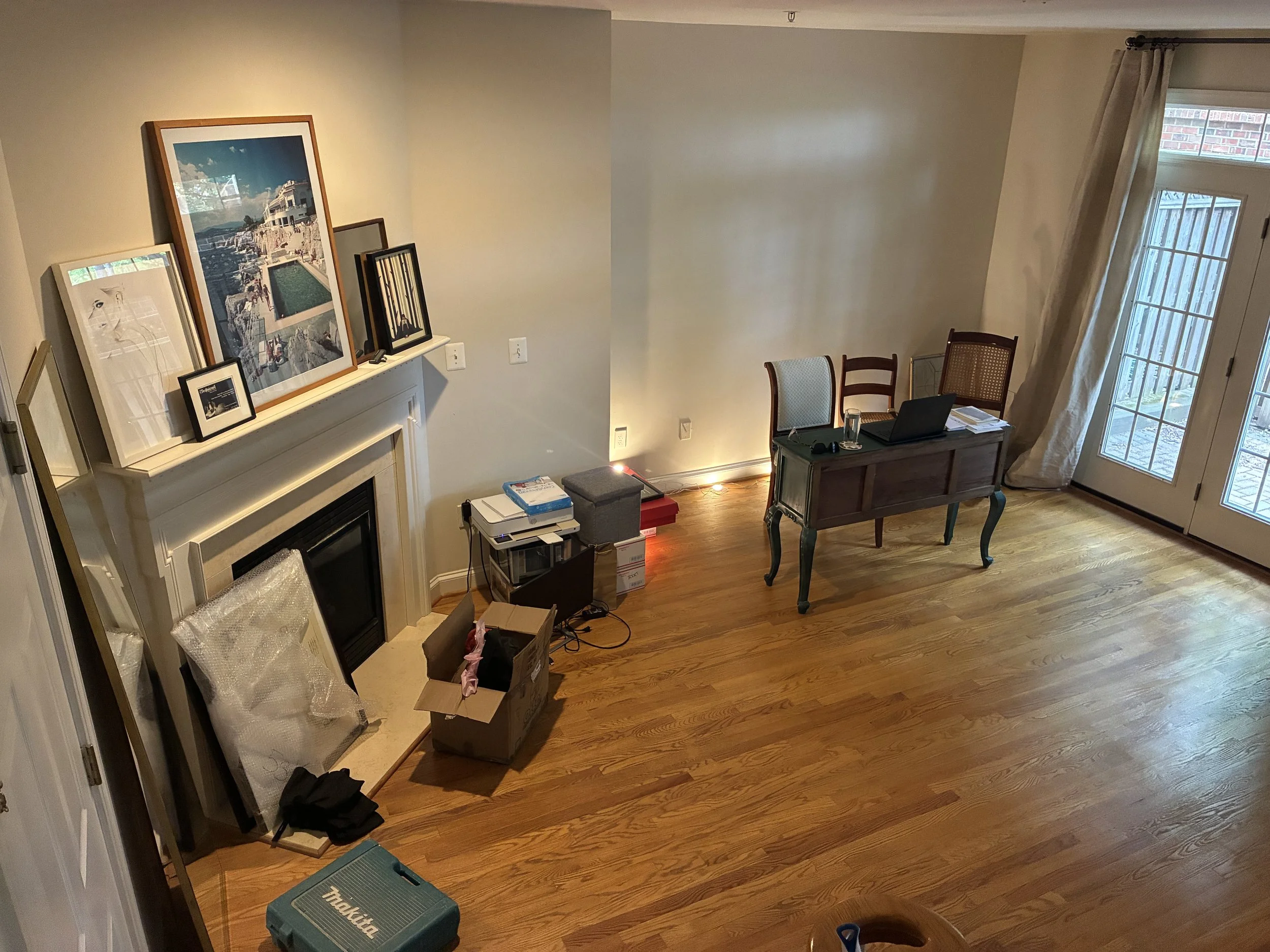
Right now, my home office is full of unpacked boxes. I don’t have a proper desk yet, so my daily command center shifts between the dining room table and the kitchen island. As someone who craves order and polished aesthetics, this physical limbo is deeply unsettling. I am wired for execution and efficiency. I want the house furnished. I want the boxes gone. I want the spaces to feel intentional, rather than oscillating between cluttered and painfully empty.
But physical spaces often mirror our professional realities, and lately, the chaos in my home has perfectly reflected the chaos of building a company from the ground up.
When you leave a high-level corporate role, the internet tells you it will be liberating. The narrative is that stepping away to build your own empire is the ultimate form of self-protection. What they don't tell you is how agonizingly slow the process actually is. They don't talk about the sheer weight of the financial unknown, or how the silence of a big, quiet house can act as a pressure cooker, quietly splintering the relationships and the peace you were trying to protect in the first place.
I recently found myself confronting the loudest, most persistent fear in my own head: What if people look at me and think, "She doesn’t know what she’s doing"?
When you are used to being the authority—the person who walks into a room, audits the systems, and drives the growth—being a beginner at something is terrifying. The imposter syndrome is deafening. You start to doubt if you are cut out for the isolating, slow-burn reality of entrepreneurship, especially when the end is nowhere in sight.
In business development, when a strategy is draining your resources and straining your foundation, you don't double down on the friction. You pivot.
I realized that for me, the ultimate luxury isn't necessarily owning a standalone company; it is owning my environment. Working remotely, leaning into the hard skills I already possess, and collaborating on high-level projects without the suffocating pressure of being the sole entity on the chopping block—that is where I actually thrive.
I don't need to be a martyr to the "solopreneur" narrative.
So, I am making a strategic retreat. I am choosing to step back into the corporate arena on my own terms. I am looking for the hybrid roles where my expertise is an asset, not a heavy crown I have to forge entirely by myself.
Because the truth is, a career pivot does not have to be an absolute severing of your past. Sometimes, the most polished, intentional move you can make is securing the financial foundation that allows you to furnish your home, protect your relationships, and build your passion projects in parallel, without the desperation of needing them to pay the mortgage tomorrow.
The boxes in my office will get unpacked. The house will get furnished. And the career will be rebuilt—not as a frantic escape from the corporate world, but as a deliberate, integrated part of a life that actually works for me.