Iguazu

Iguazú: A Guide to the Jungle
For my 37th birthday, I didn’t want a beach; I wanted the earth’s full power. Iguazú Falls is one of those rare destinations that lives up to the hyperbole—it is violent, serene, and utterly overwhelming. But like any destination with "Wonder of the World" status, it can easily devolve into a chaotic tourist trap if you don’t have a strategy.
We spent 3 nights and 3 full days navigating the jungle, crossing borders, and finding the quiet corners in the chaos.
*Visa Note: If you hold a U.S., Canadian, or Australian passport, you need the E-Visa. We used Passporta and while they advertise a 10-day turnaround, we recommend you do it earlier. Bureaucracy is unpredictable; do not let a PDF document ruin your trip.
Our Base Camp: Miraselva Lodge
In a town often defined by large, and often dated resorts, Miraselva Lodge is a breath of fresh air. It is a newly opened oasis within its own walls—quiet, sophisticated, and maintaining a rustic element that reminds you exactly where you are.
This is unassuming luxury at its best. The rooms are spacious and clean, balancing modern comfort with jungle textures. While it wasn't warm enough to use the pool during our stay, the area was lovely just to sit by. The breakfast was a standout—a feast—and we often found ourselves the only ones there, attended to by a staff that was knowledgeable, helpful, and invisible until we needed them.
The Vibe: Boutique sanctuary.
Best For: Romantic seclusion for two, or a full buyout for families seeking a private estate experience (with only 11 suites, it is perfect for taking over the whole property).
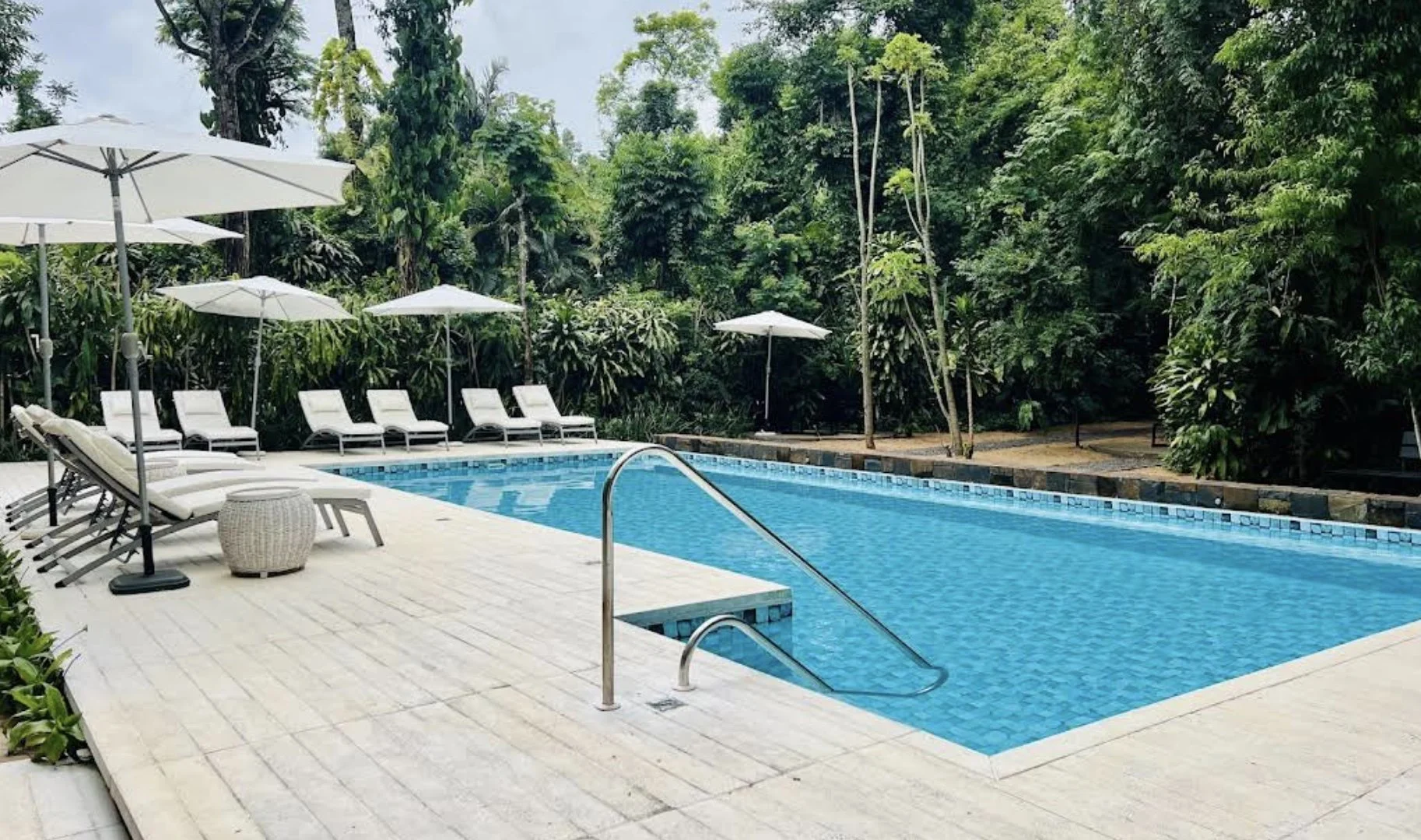
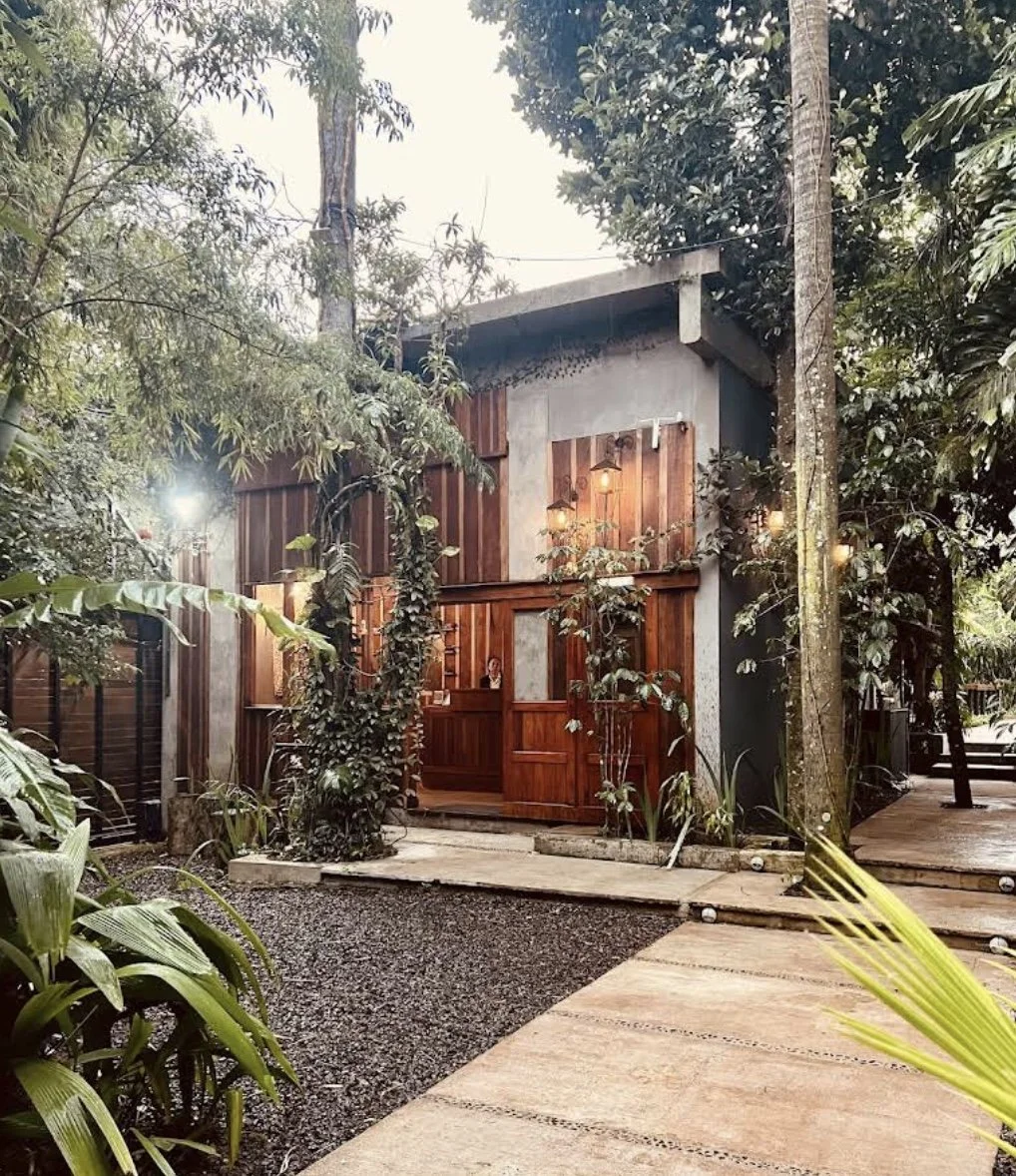
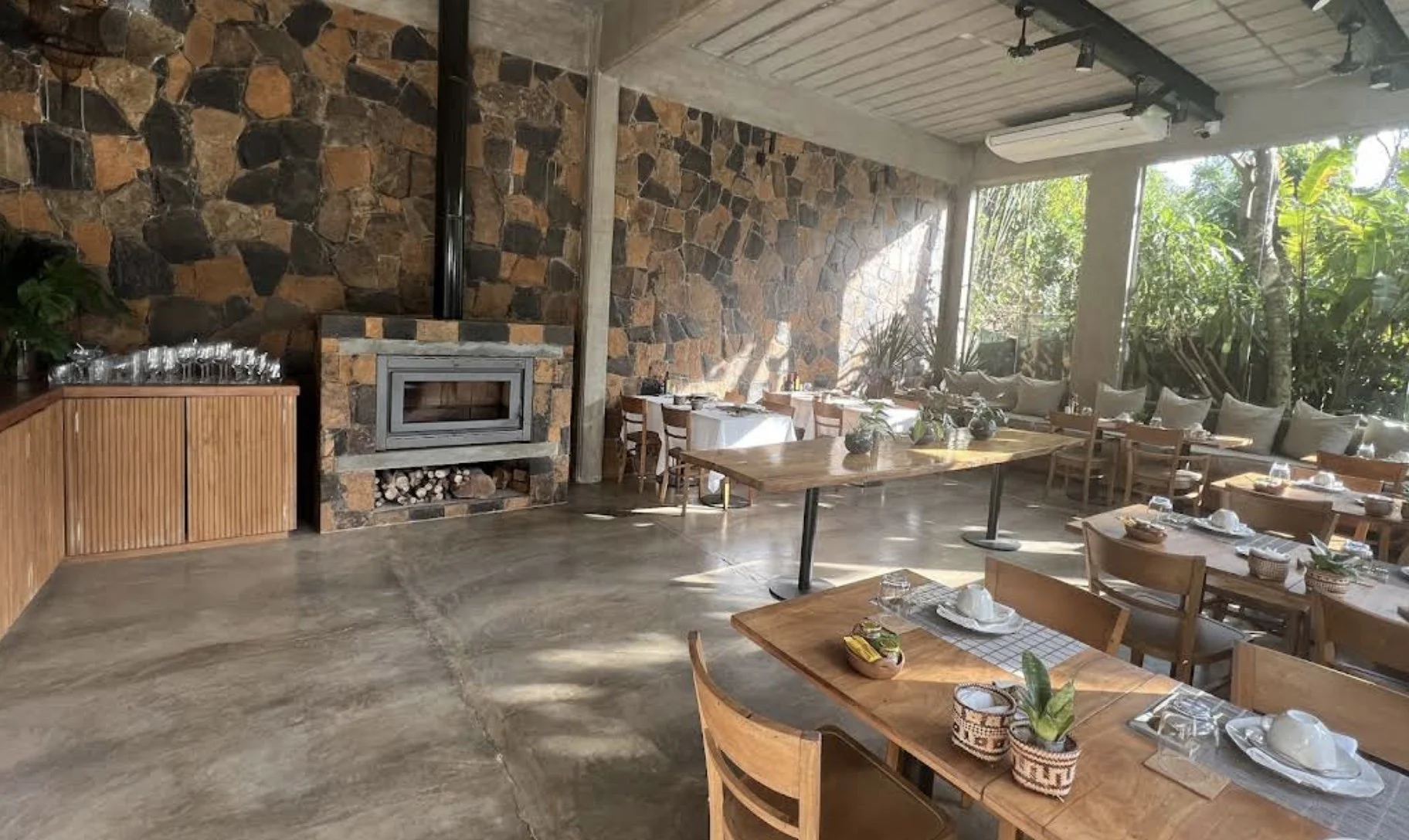
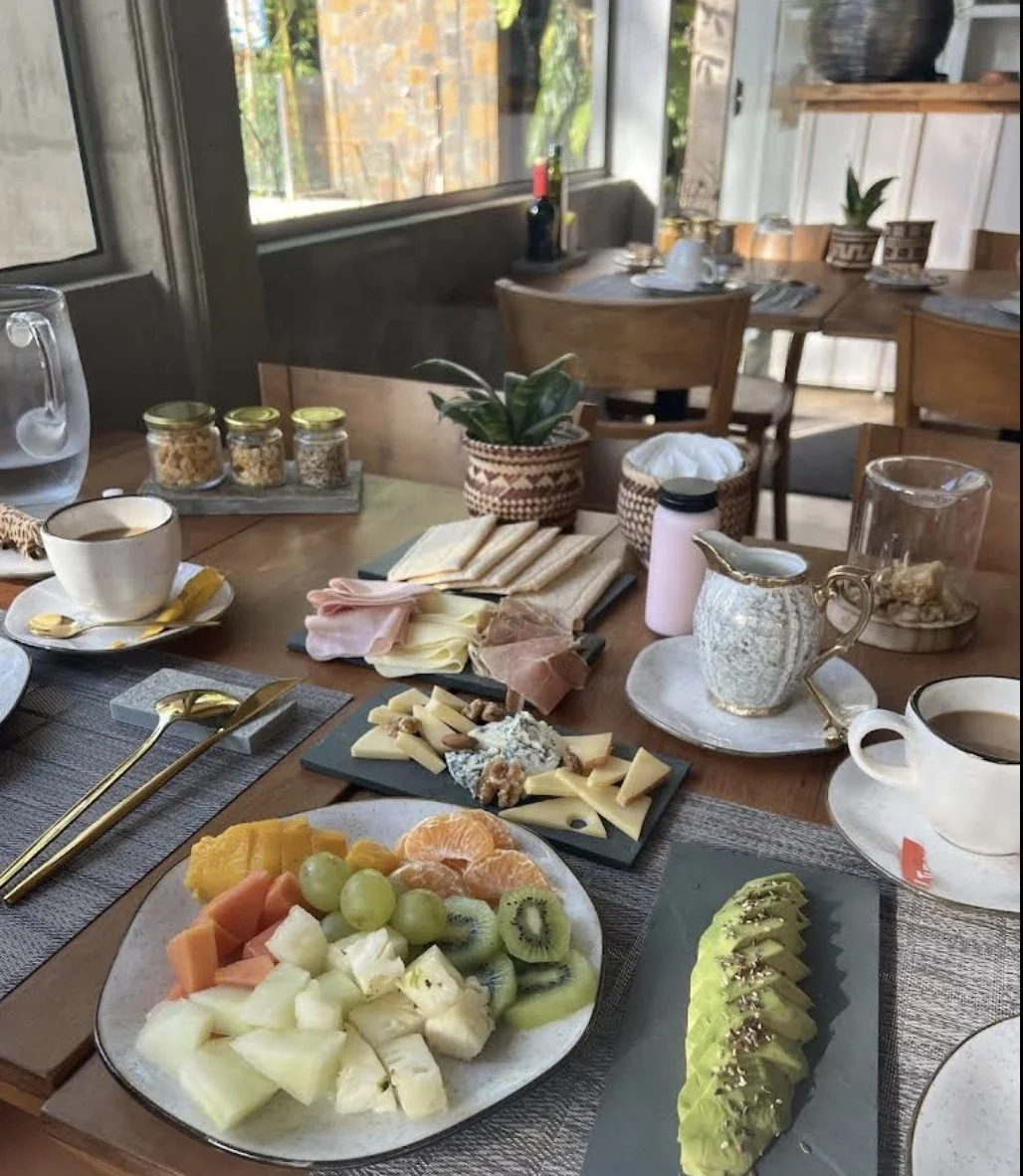
The Itinerary: 3 Days, 2 Countries
We arrived on a Friday evening, where we were met by our driver and guide, Fernando (more on him later), and immediately transported to Miraselva to settle in.
Day 1: The Brasilian Side (Panoramic)
The Brasil side offers the "postcard" view. You see the falls from a distance, understanding the sheer scale of the fault line.
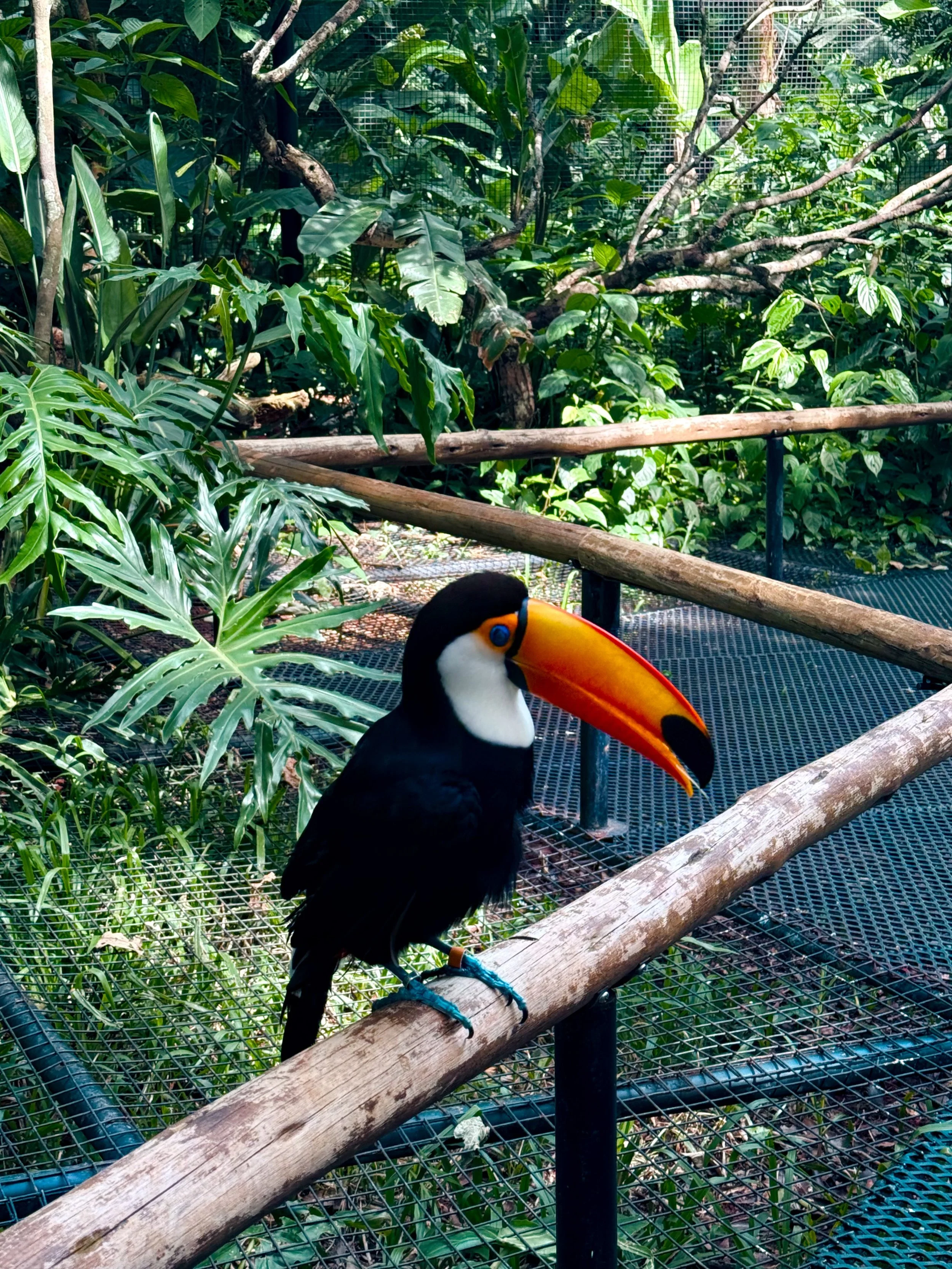
I’ll be honest: I expected a tourist trap. I thought it might be a zoo full of birds, but I was wrong.
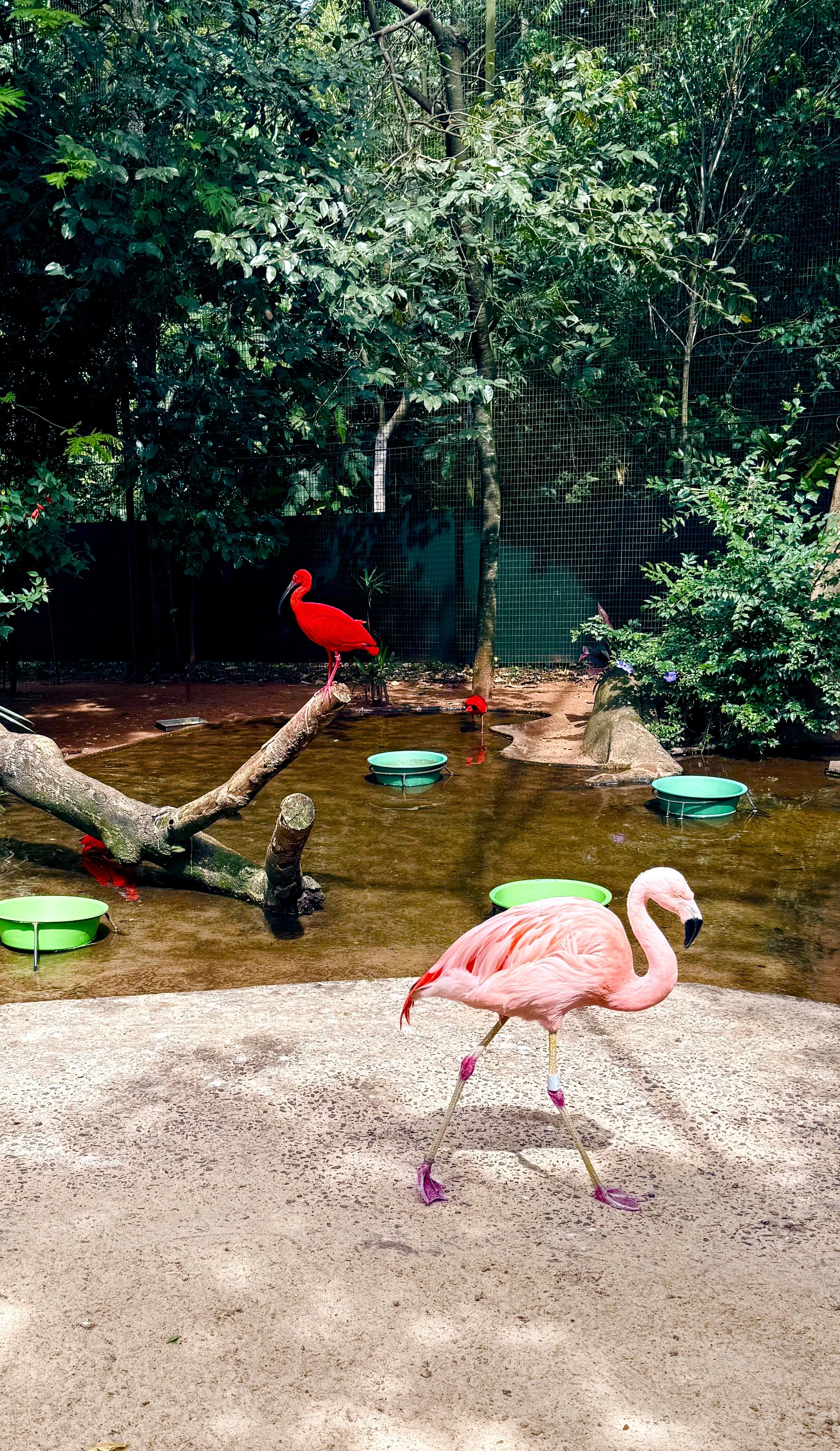
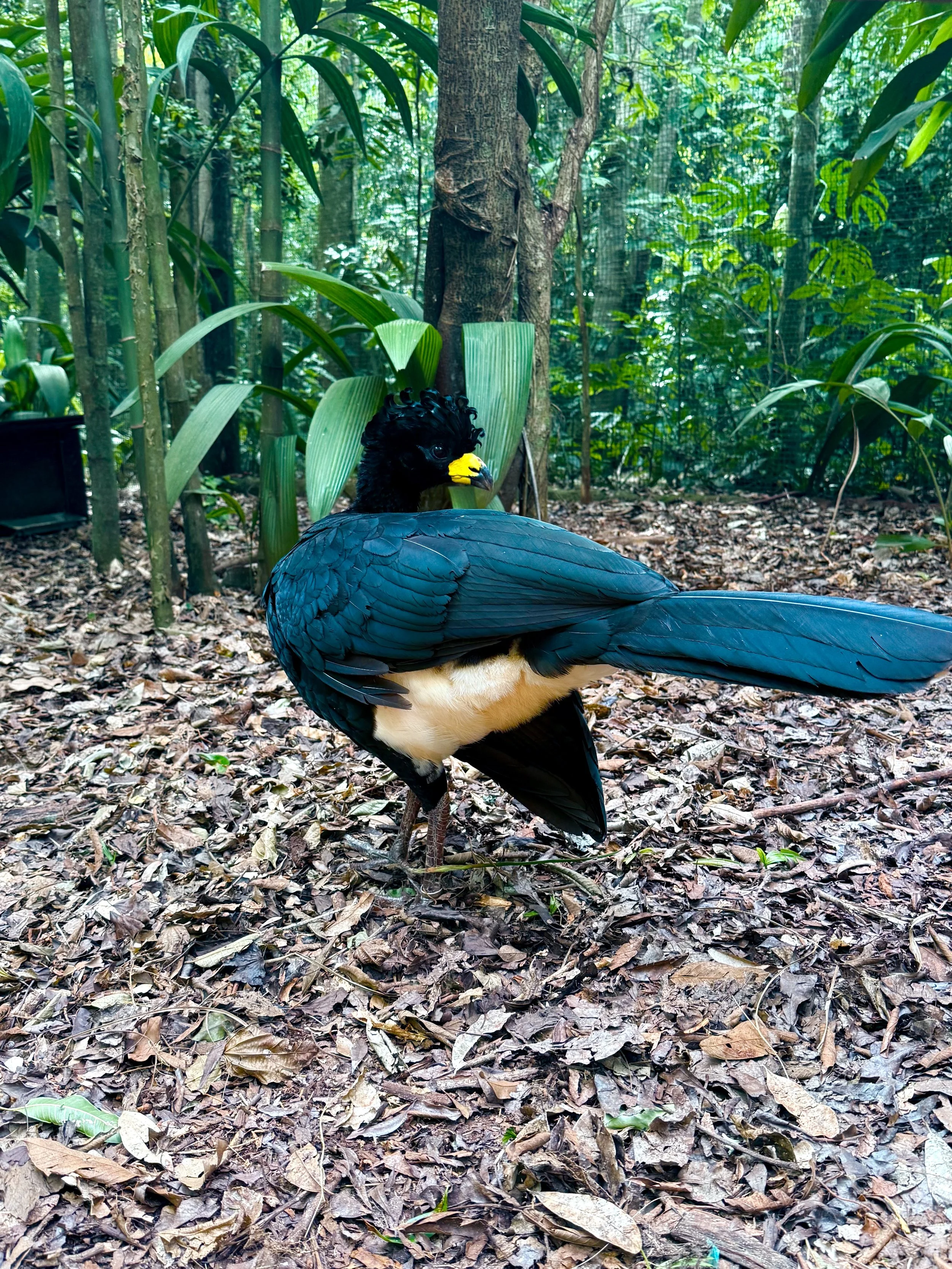
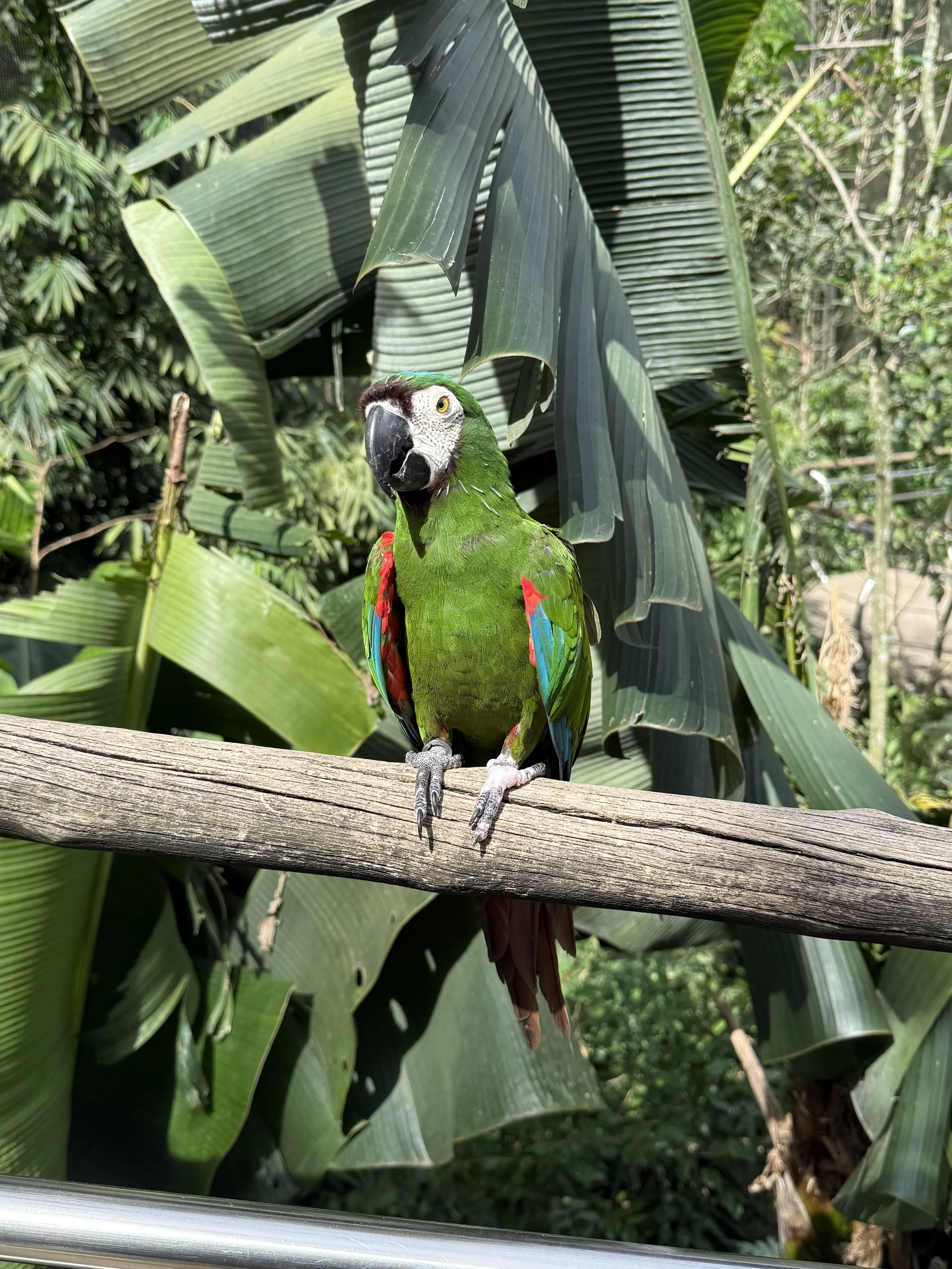
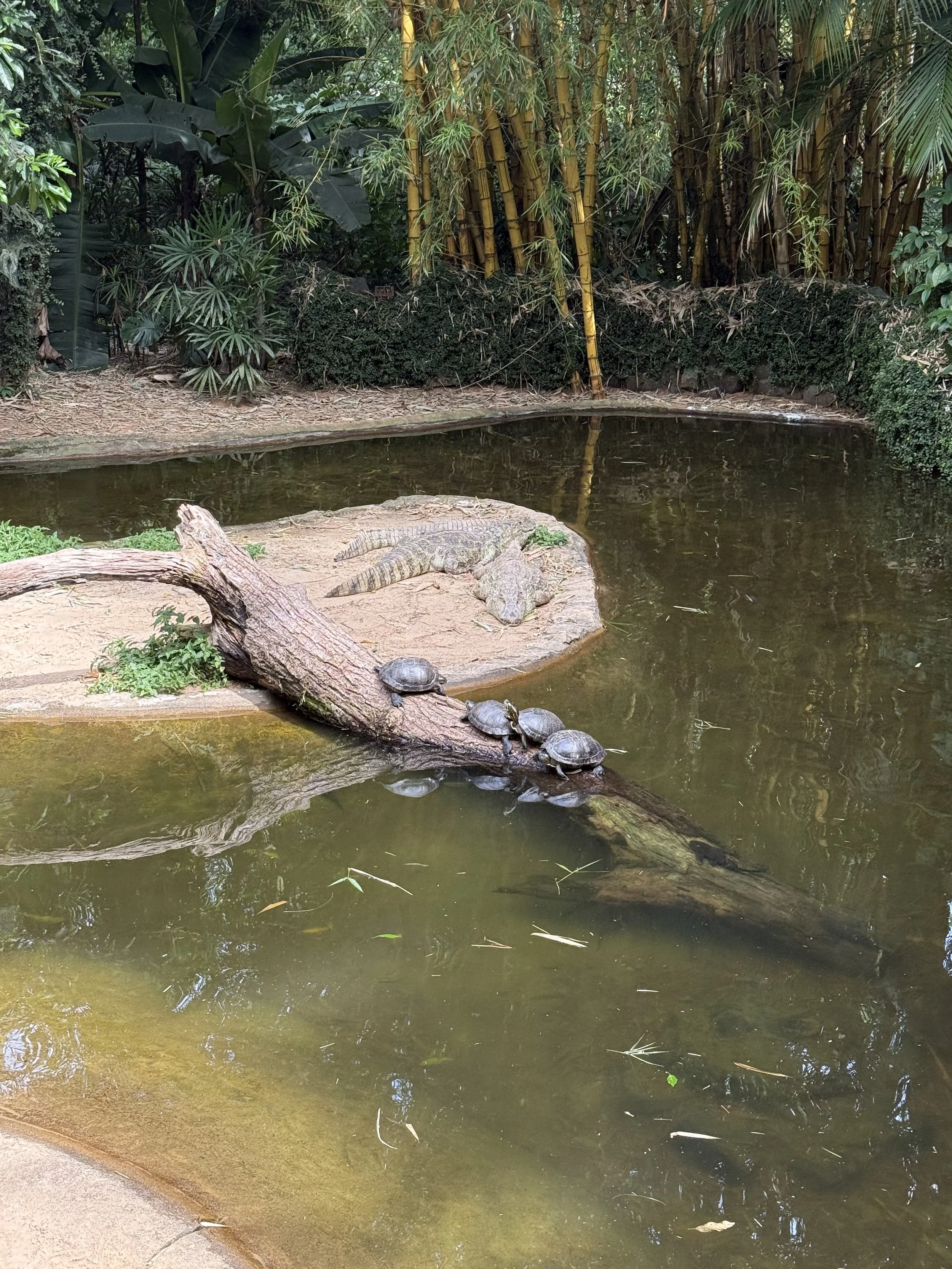
This isn't a zoo; it is an active conservation center focused on rescuing birds from trafficking and rehabilitating Atlantic Rainforest species. It is surprisingly tranquil.
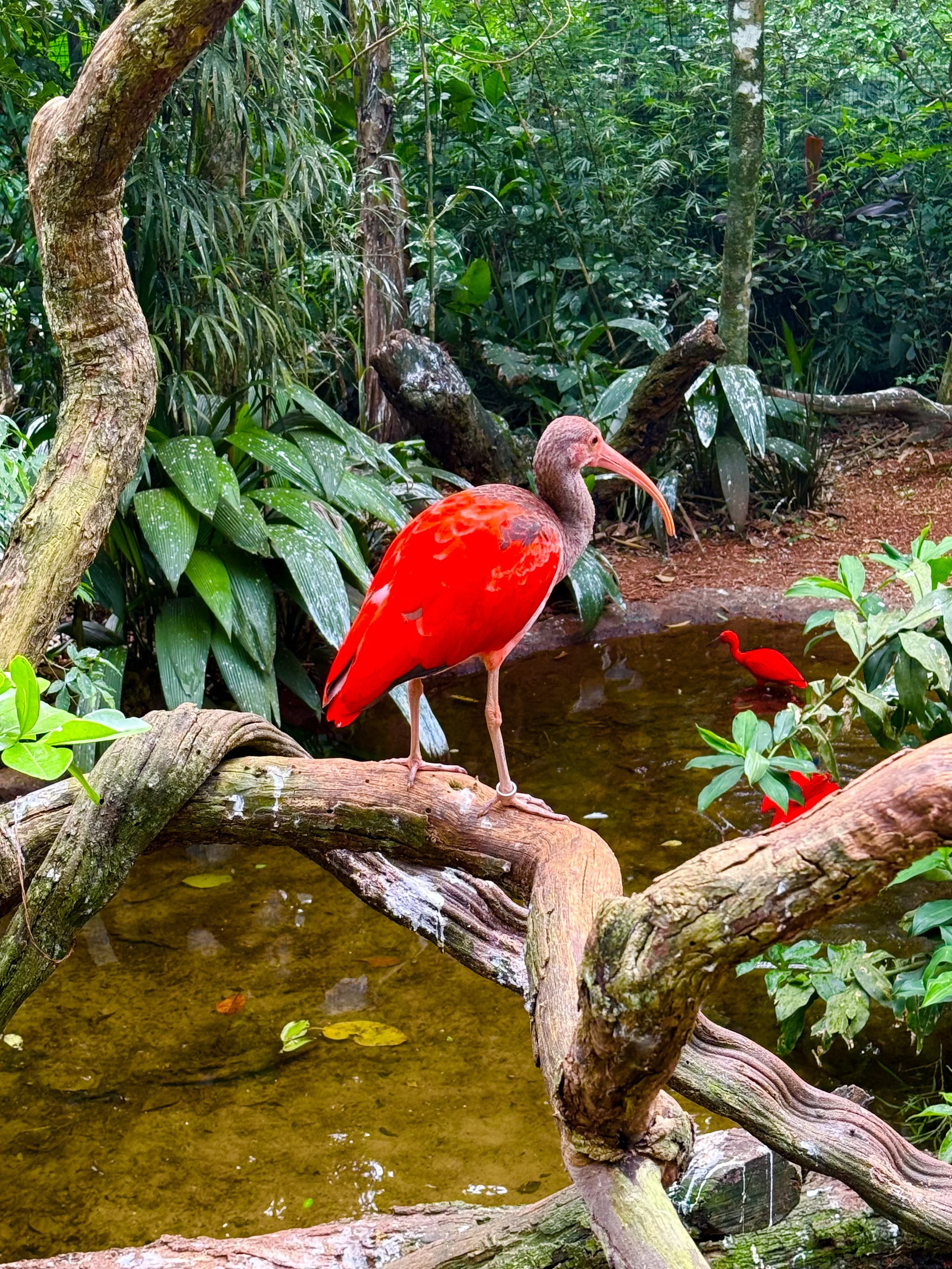
We walked through immersive aviaries where toucans (the national bird) flew freely overhead. We watched an eagle tearing into its prey, saw flocks of vibrant macaws, and stood among elegant flamingos.
Parque das Aves is a place of beneficent work, protecting species that are rapidly losing their habitat.
Do not skip this.
Helisul:
Helisul is the only helicopter operator allowed to fly over the falls (Argentina has banned airspace). You can book via aggregators, but we just walked in and waited 25 minutes.
The Warning: This is not for the faint of heart. The falls are so massive they create their own microclimate and updrafts. When you cross over the "Devil's Throat," the wind will jostle the helicopter. You feel the power of the water even from the air.
The Verdict: Do it. The flight is short (10 minutes) and costs just over $100 USD per person, but it is absolutely worth it and the best way to fully comprehend the geography.
The view from above
Day 2: The Argentine Side (Immersion)
If Brasil is for seeing, Argentina is for feeling. You are walking directly over the rushing water on metal grates. Standing on a lookout protruding out over the violent cascade of 1.5 million liters of water per second provides a rush of adrenaline hard to replicate elsewhere.
The Gran Aventura Boat: This is the famous boat that goes directly under the falls.
The Split Verdict: My husband is an adrenaline junkie and absolutely loved it. I found it terrifying. You feel the full force of the water underneath you and the falls crashing above you; you are putting your entire trust in the boat captains and your faith in the gods of the waterfalls.
Tickets: Buy your tickets when buying entry tickets to the park on either the Brasil or the Argentina side.
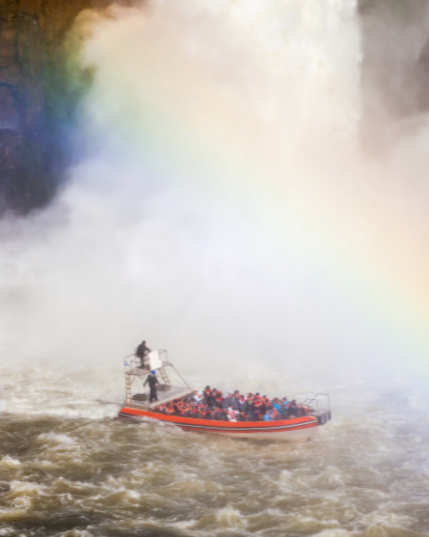
Pro Tip I: There will not be a dry spot on your body. Either hermetically seal yourself in waterproof gear (you’ll really put the brands waterproof guarantee to the test) or bring a full change of clothes to avoid being miserable on the hike and (open roof) bus ride back. Mosquitos abound in the jungle.
Pro Tip II: If you choose to brave the boat experience, you should do it on the Argentina side. Due to the way the border lies between Brasil and Argentina, the areas where the boats can access all fall on the Argentine side. A boat tour from the Brasilian side will sit in the water and look at the falls from afar, while a tour from the Argentine side will take you into the falls in two different places (yes, you drive up to the sheath of water and are rocked around by the power of 1.5 million liters of water per second).
Day 3: The Decompression (Town & Culture)
After two days of intensity, we spent the third day exploring Puerto Iguazú.
Three Frontiers: We visited the obelisk where the borders of Argentina, Brasil, and Paraguay converge.
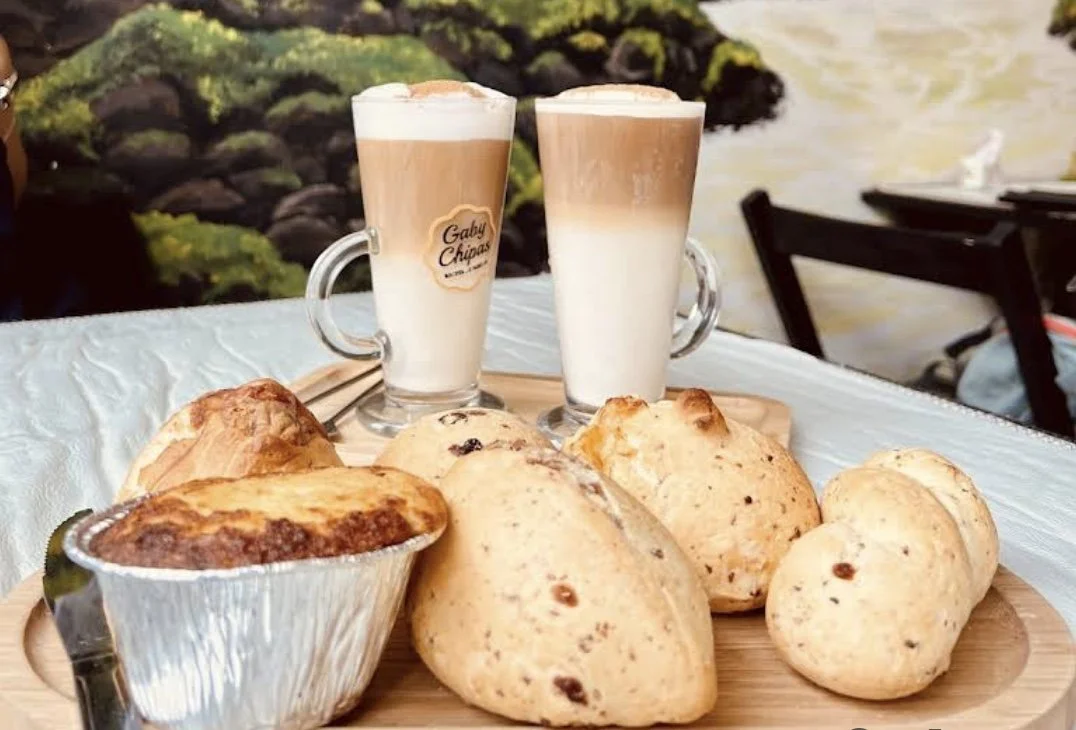
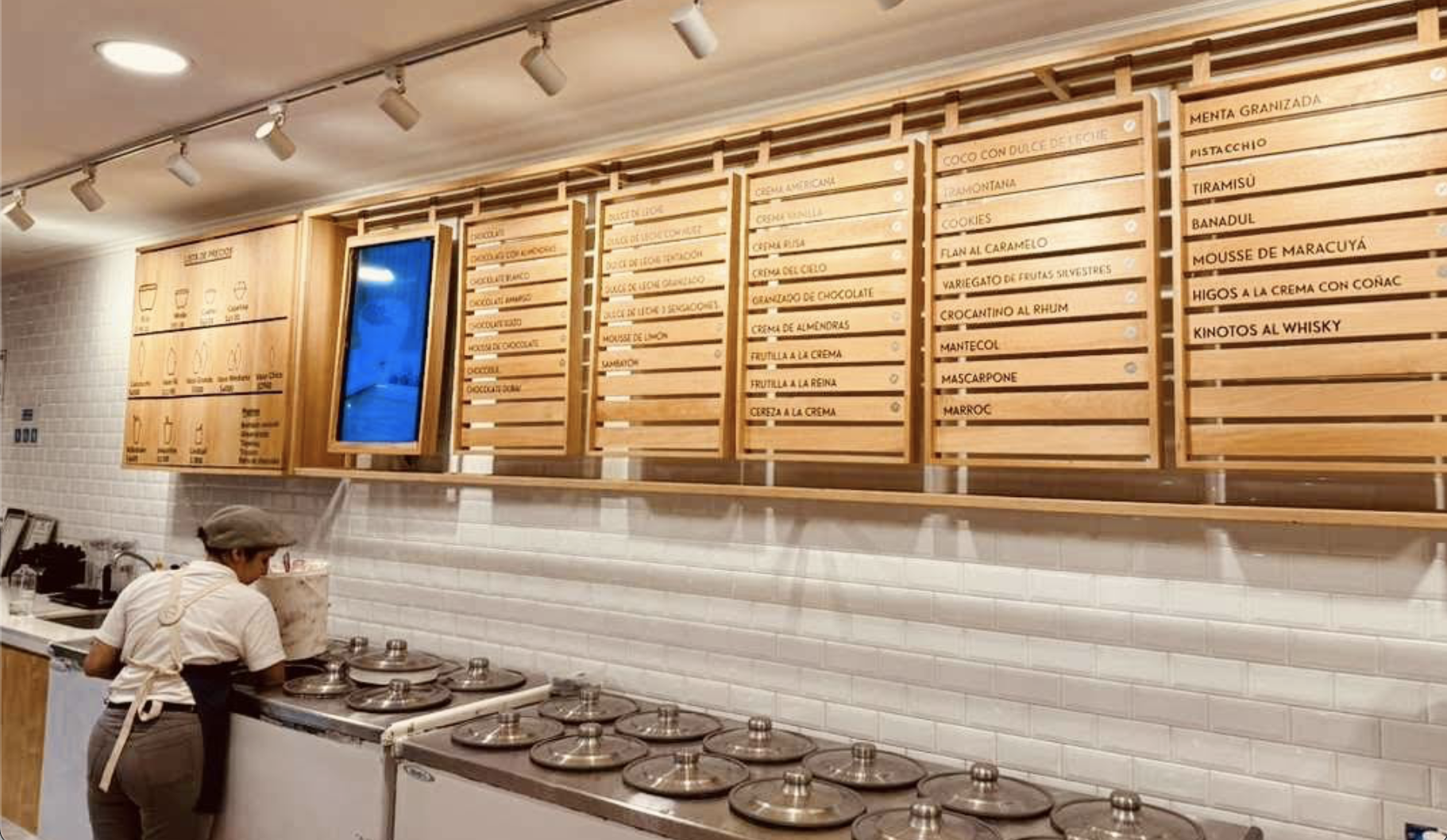
Local Indulgences: We grabbed ice cream at Cremolatti (an Argentine staple, highly recommended and celiac friendly - see note at the end) and dived into a local obsession at Chipería GabyChipas. There are two locales, we went to the second.
The Culture: Chipá vs. Pão de Queijo
You cannot visit this region without eating chipá. While often compared to its Brasilian cousin, pão de queijo, chipá has its own distinct lineage rooted in the Guaraní people indigenous to this border region of Argentina.
Made from cassava (manioc/tapioca) starch and cheese, it is naturally gluten-free and historically significant. While pão de queijois often softer and airier, Argentine chipá tends to be denser, cheesier, and with a slightly crispier crust—Chipería GabyChipas offers an array of delicious fillings.
It was so good, we immediately learned how to make it at home so we could keep a stash in the freezer.
The Logistics: The "Secret Weapon"
Iguazú is a logistical puzzle. You are constantly crossing borders, dealing with customs, and navigating massive crowds. This brings us to the most important recommendation of the trip: Fernando.
We’ve traveled a lot and have had our share of guides. Some are great, but by the end of a long day, you're often happy to say goodbye. Our experience with Fernando (Fer) was the complete opposite. Recommended to us by a friend in Buenos Aires, Fer has a tourism company called Taxi Iguazú Viajes, and was the essential logistical asset that dictated the success of our trip.
Why You Need a Private Driver:
The Border Crossing: Crossing between Argentina and Brasil can take hours due to traffic. Taxis and registered guides have a dedicated lane. If you rent a car, you are stuck in the general population line. Fer breezed us through immigration (handling our passports and Ale’s DNI) while cars next to us sat idling.
His Strategy: Fer knew exactly where to go at all times—when to buy tickets for one activity, but then to wait and do another activity first to beat the crowds.
His Vibe: He’s funny, serious when he needs to be, and just makes the trip fun. He is there when you need him and gives you space at all the right times.
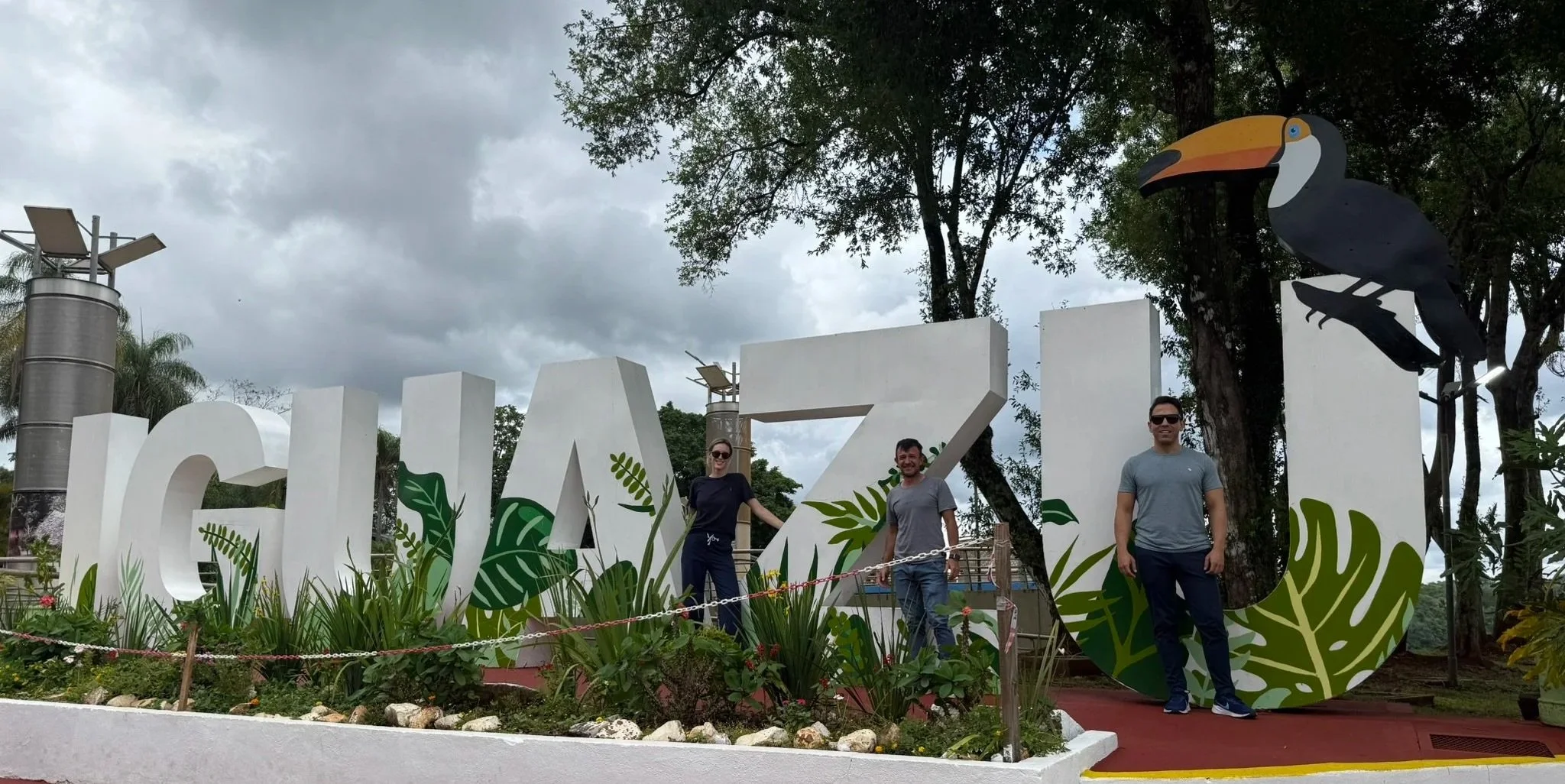
We spent hours talking with Fer over coffee and cheese bread at Chipería GabyChipa , in the car crossing borders, and walking through the parks. Fer started out as a driver, but by the end of the trip we had gained a friend.
Dine at an Institution
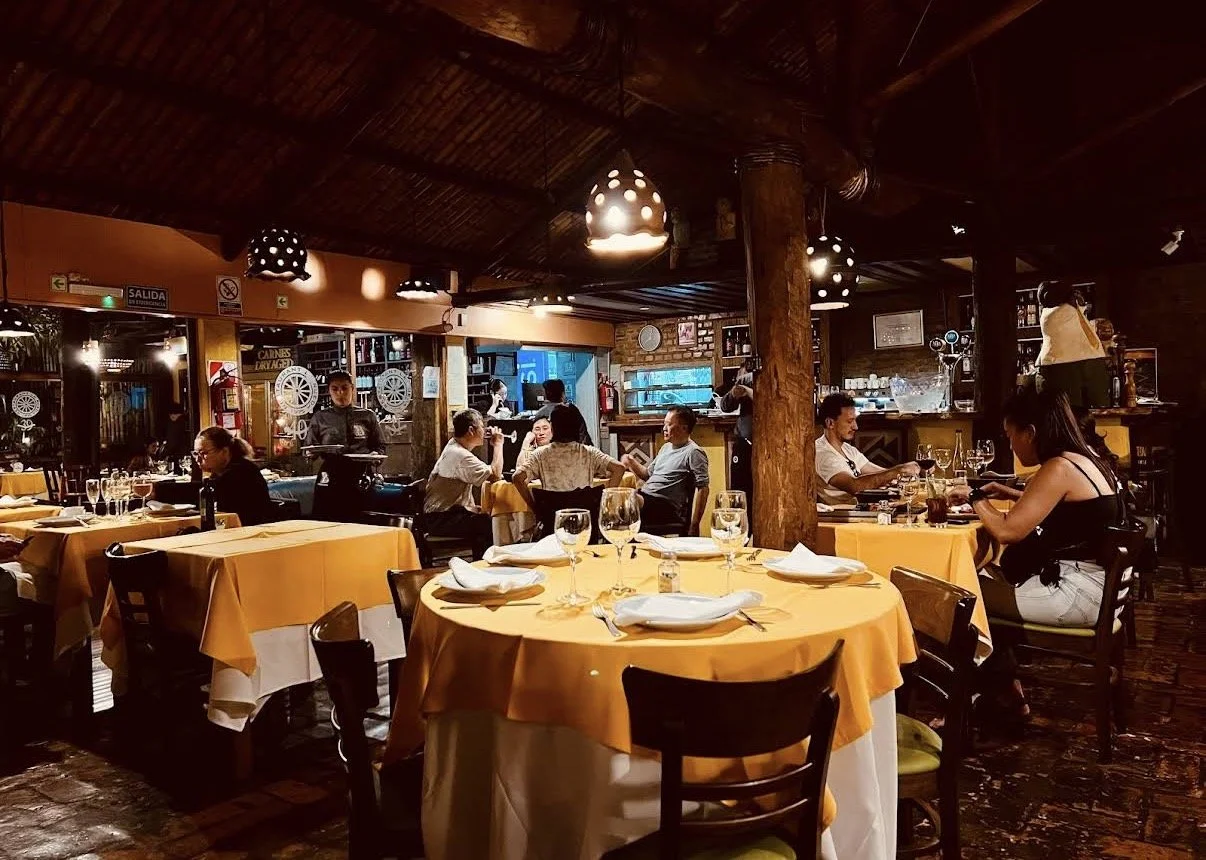
For my birthday dinner (and a second meal the next night, because it was that good), we went to La Rueda.
The Vibe: This is the most popular spot in town for a reason. It is a traditional Argentine steakhouse housed in an old building—a true institution.
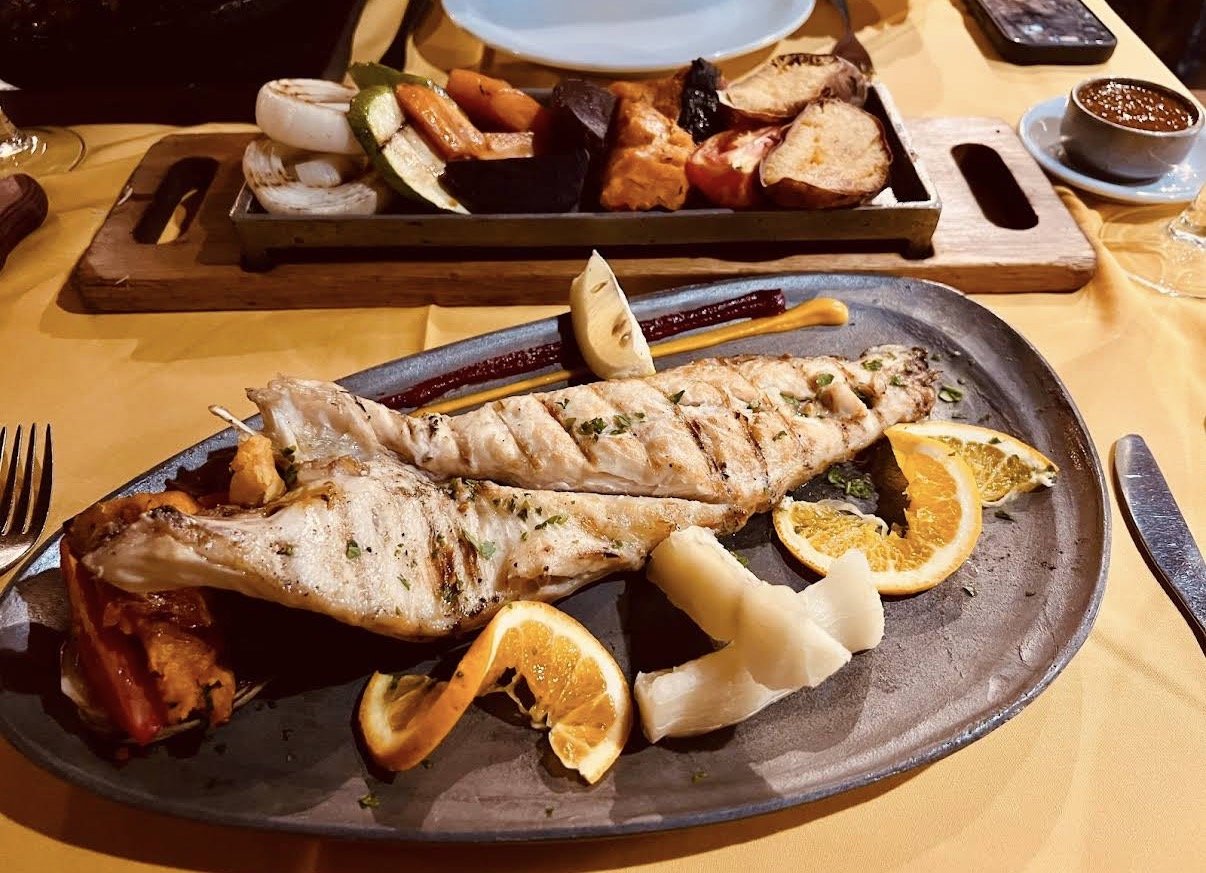
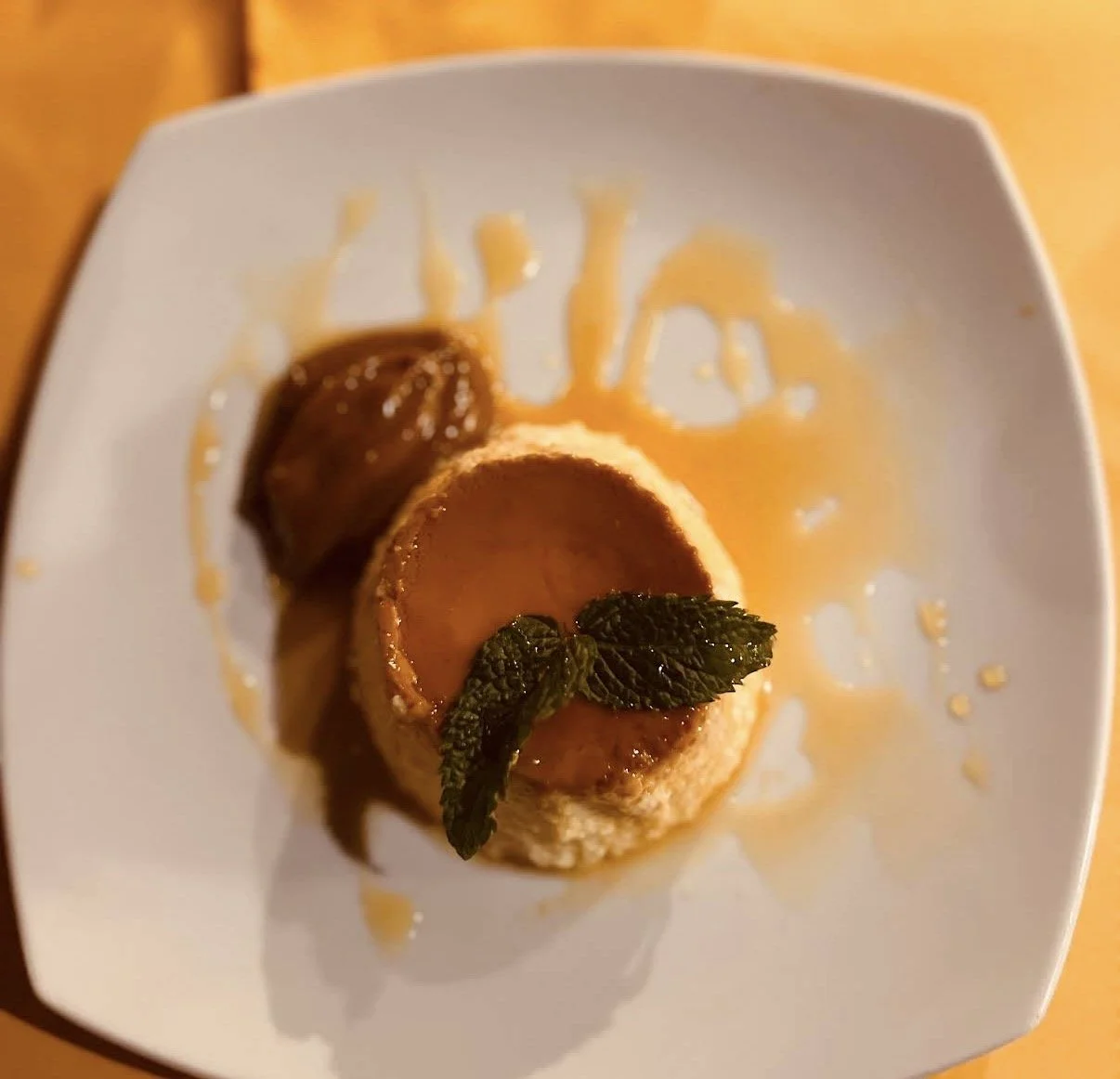
The Order: Go for the classics. Steak, Malbec, and flan. We also tried local river fish, which was delicious. The steak was so good we ate it before taking a picture!
Pro tip: They frequently book up and there is a wait at the door. Text them via WhatsApp to make a reservation earlier in the day.
Cremolatti - safe for Celiacs
In Argentina, any institution that serves food is required by law to have options safe for celiacs. Not just gluten free, not the kind of options where you have to ask if the oven or the fryer is shared - truly safe for celiacs. In most ice cream shops this usually means they have pre-packaged pints or popsicles in one or two flavors. At Cremolatti you have your pick of all flavors that are naturally gluten free. They will open the flavor you want, remove the tub they usually serve from (which is served onto cones), and draw from an entirely separate tub beneath. They use clean scoops and serve you a cup of entirely celiac safe ice cream. Unfortunately, Freddo and FraNuí do not offer this luxury, so Cremolatti is a must. The ice cream is also my favorite of the three and they have the most flavors!
